Blogs
Clear Aligner OEM Request for Quote Template
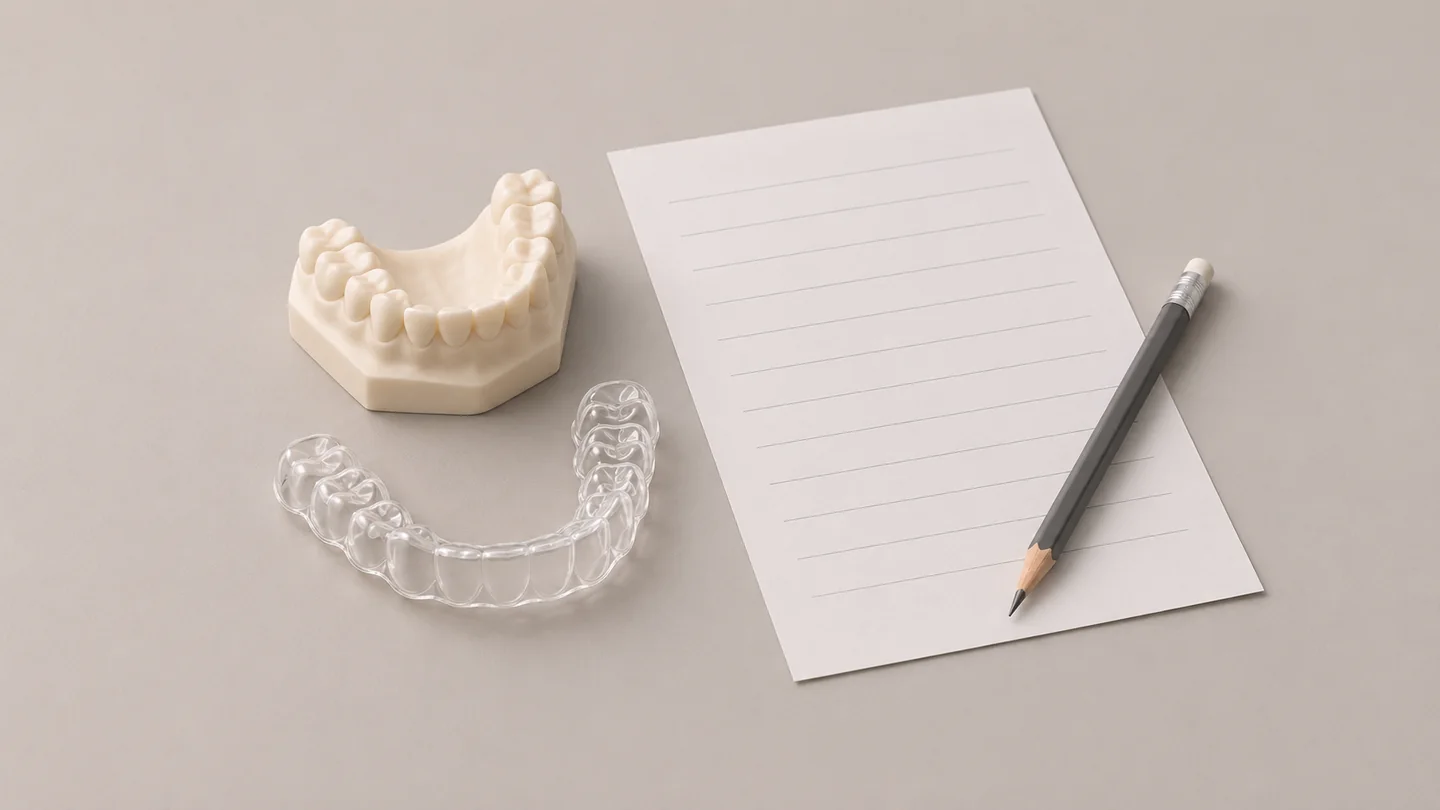
Send comparable OEM clear aligner RFQs with a defined order scope, pricing units, lead-time milestones and exception terms.


Send comparable OEM clear aligner RFQs with a defined order scope, pricing units, lead-time milestones and exception terms.
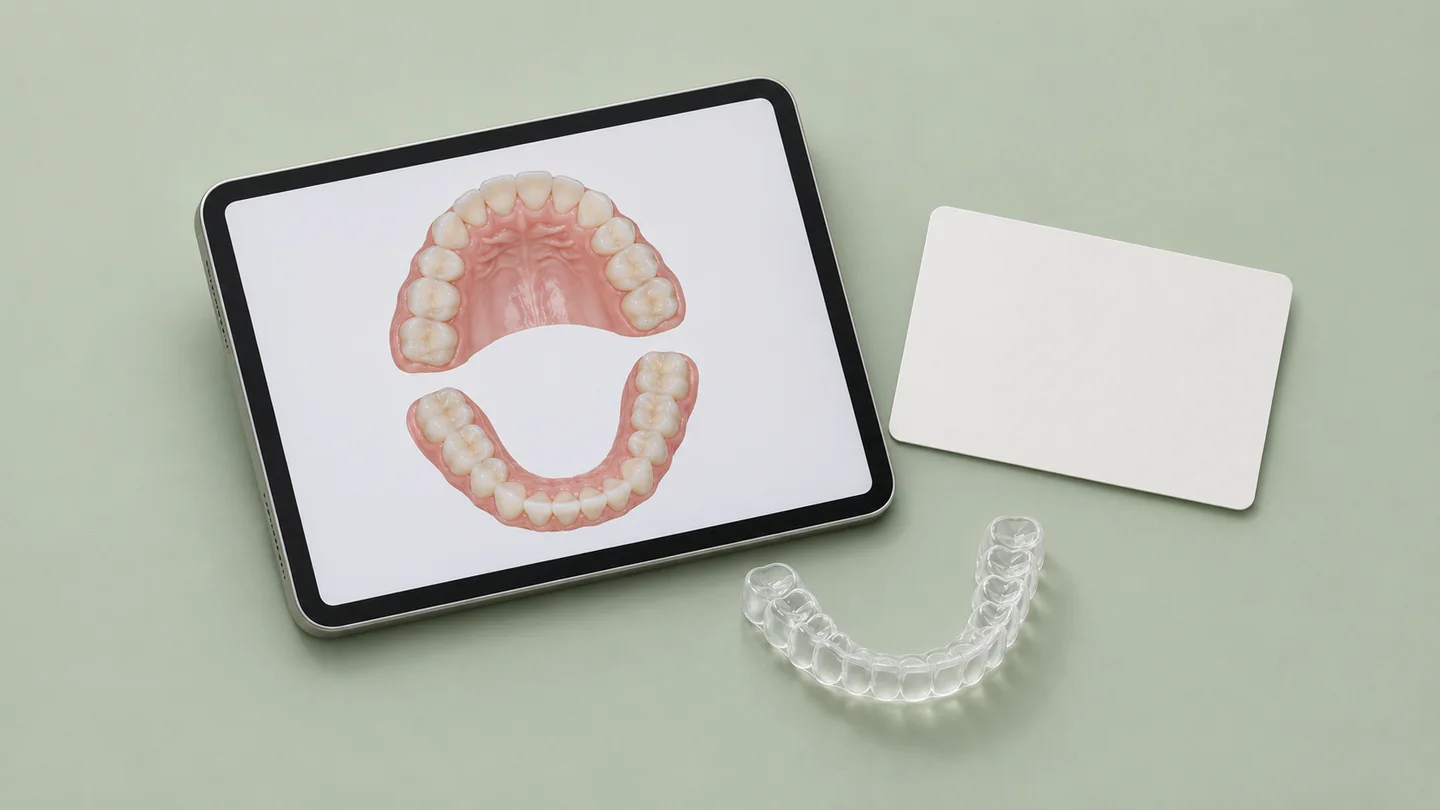
Standardize clear aligner case intake across dental group locations with ownership, records checks, escalation and approval controls.
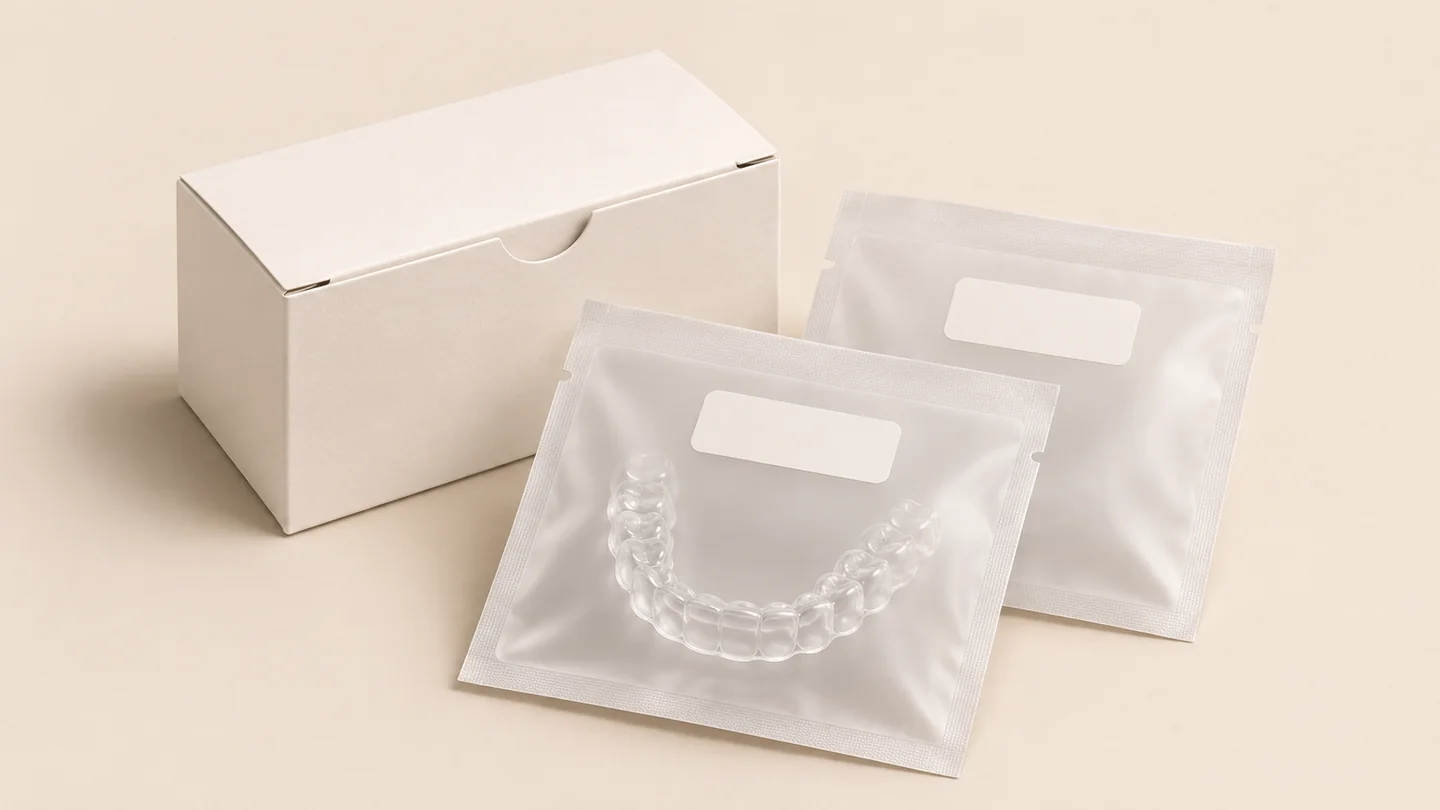
Review white label clear aligner packaging proofs for stage identifiers, revision control, packing accuracy and market-specific labeling.
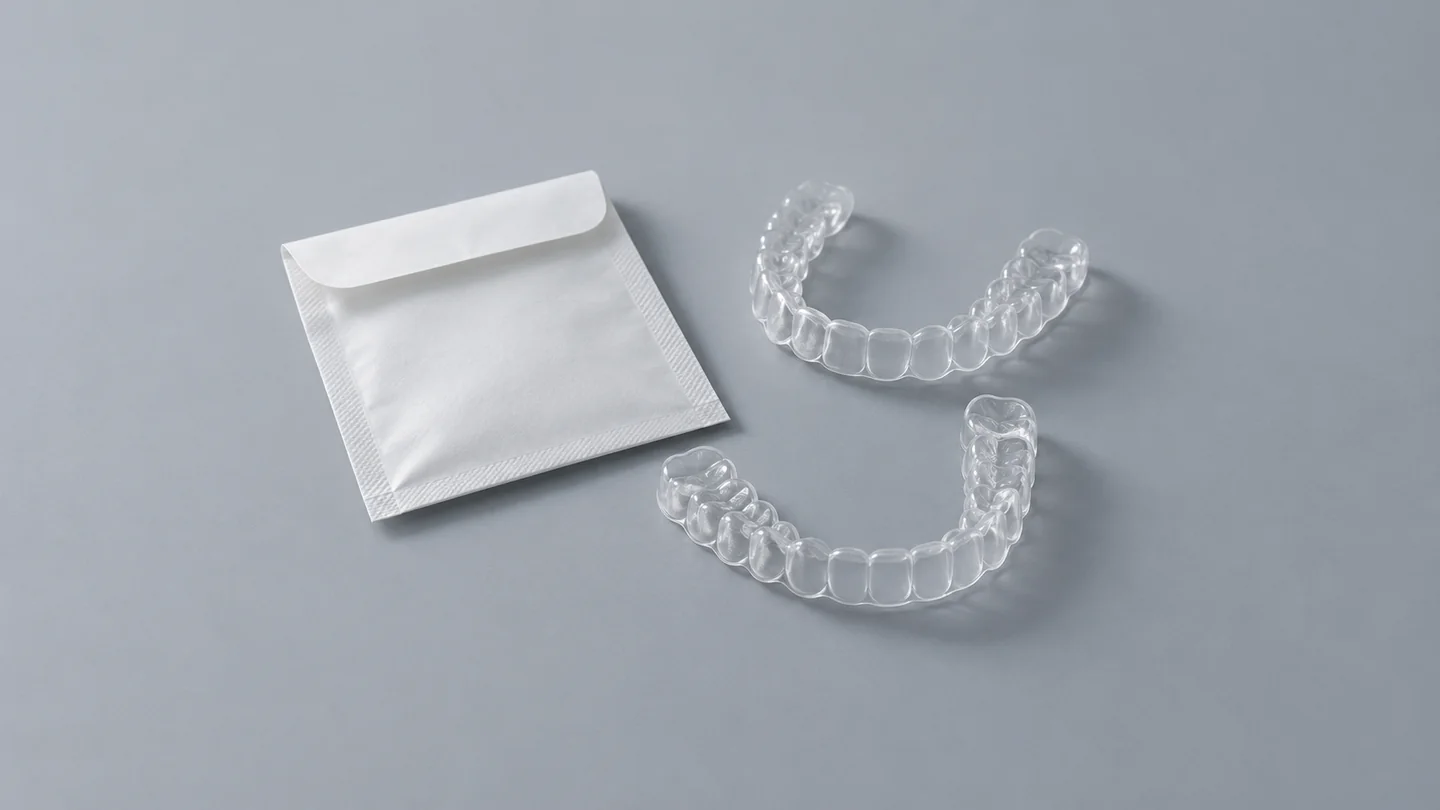
Classify clear aligner requests by whether they repeat an approved stage, investigate a discrepancy or require a revised clinical plan.
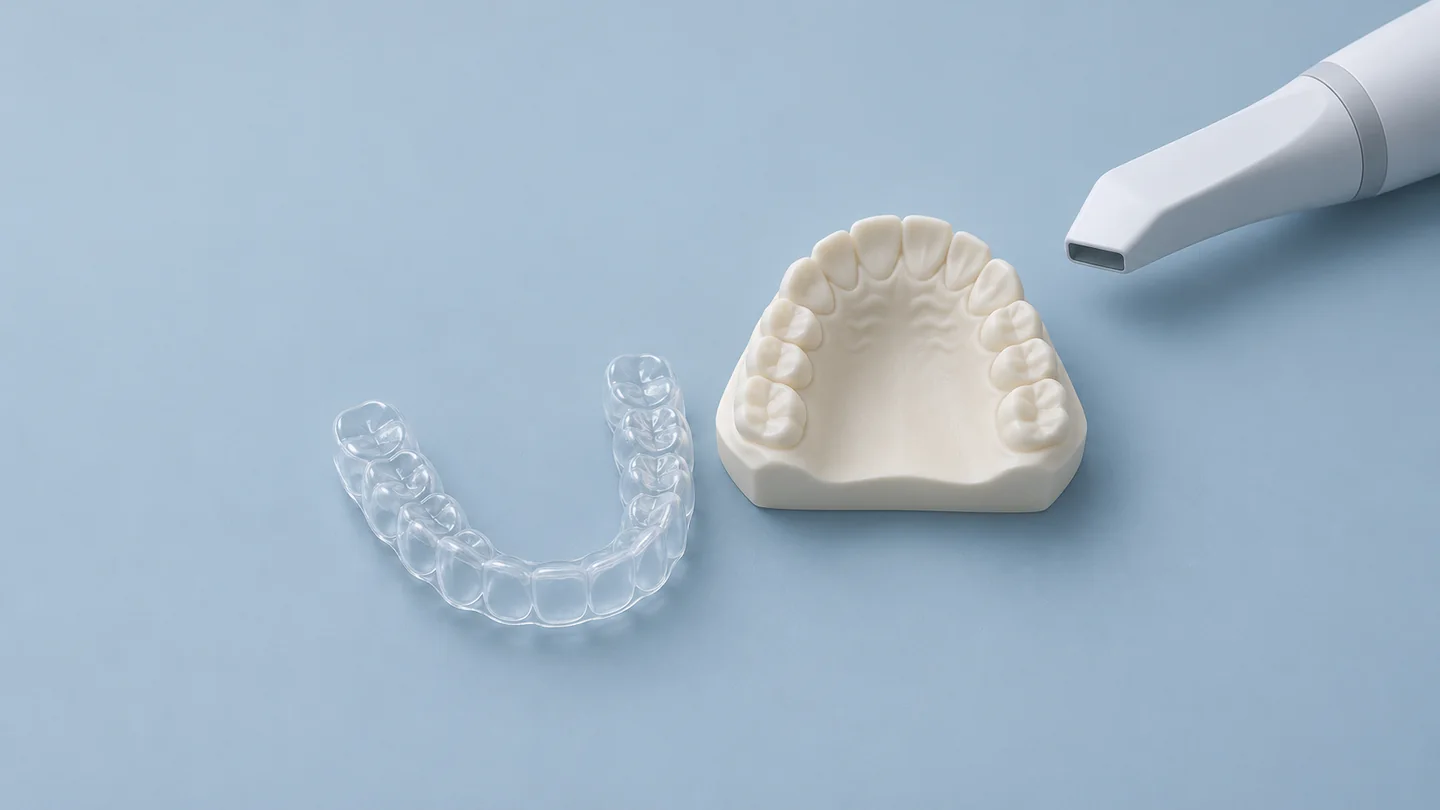
Document the active stage, observed discrepancy and clinician’s objectives before submitting a clear aligner refinement.

Run a clear aligner outsourcing pilot with defined responsibilities, production acceptance criteria, landed costs and remake ownership.
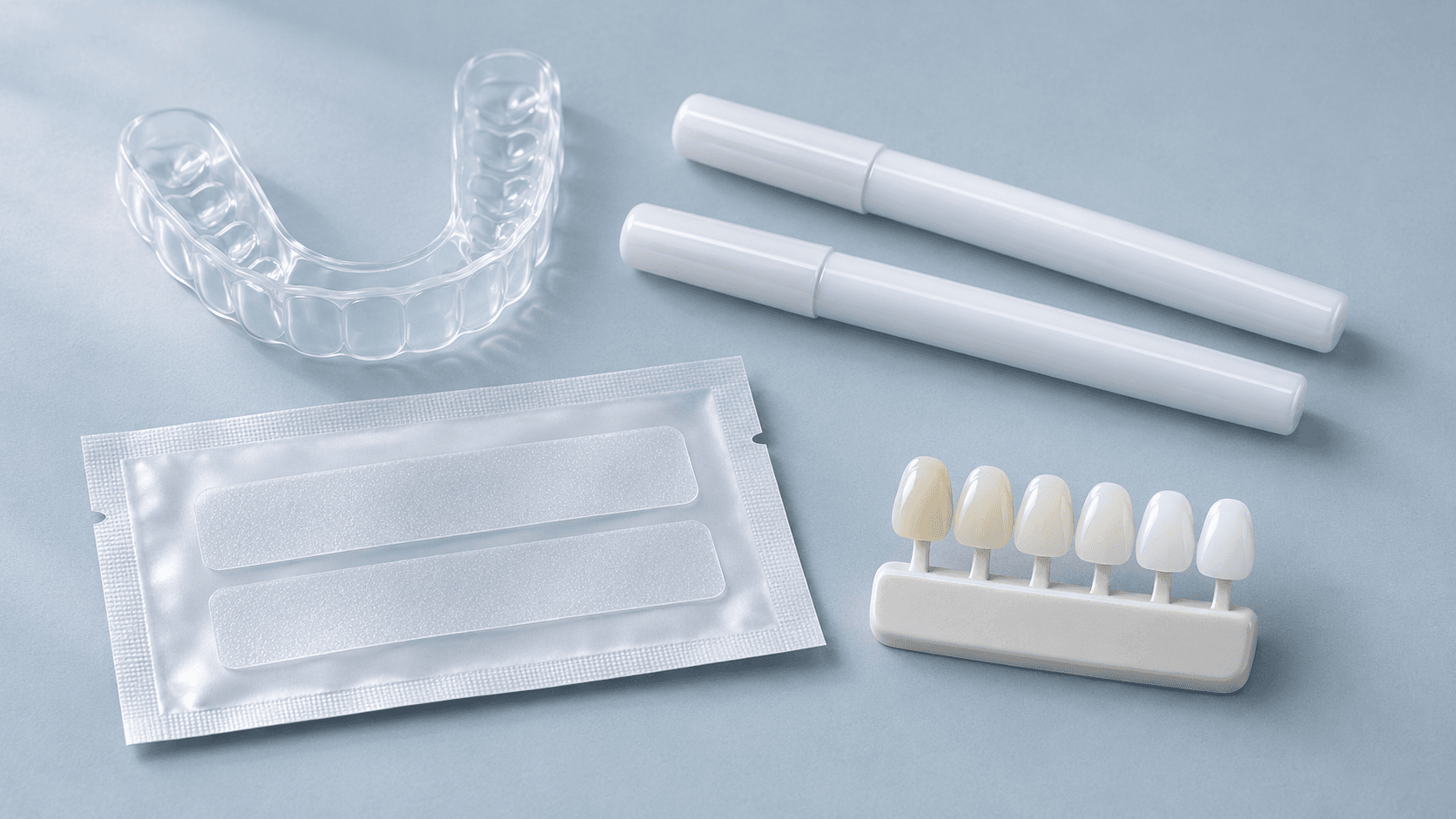
A useful comparison starts with what is inside the kit, how it is meant to be used and the full cost of the course. Use this checklist to compare kits, strips and dentist-provided options before you buy.
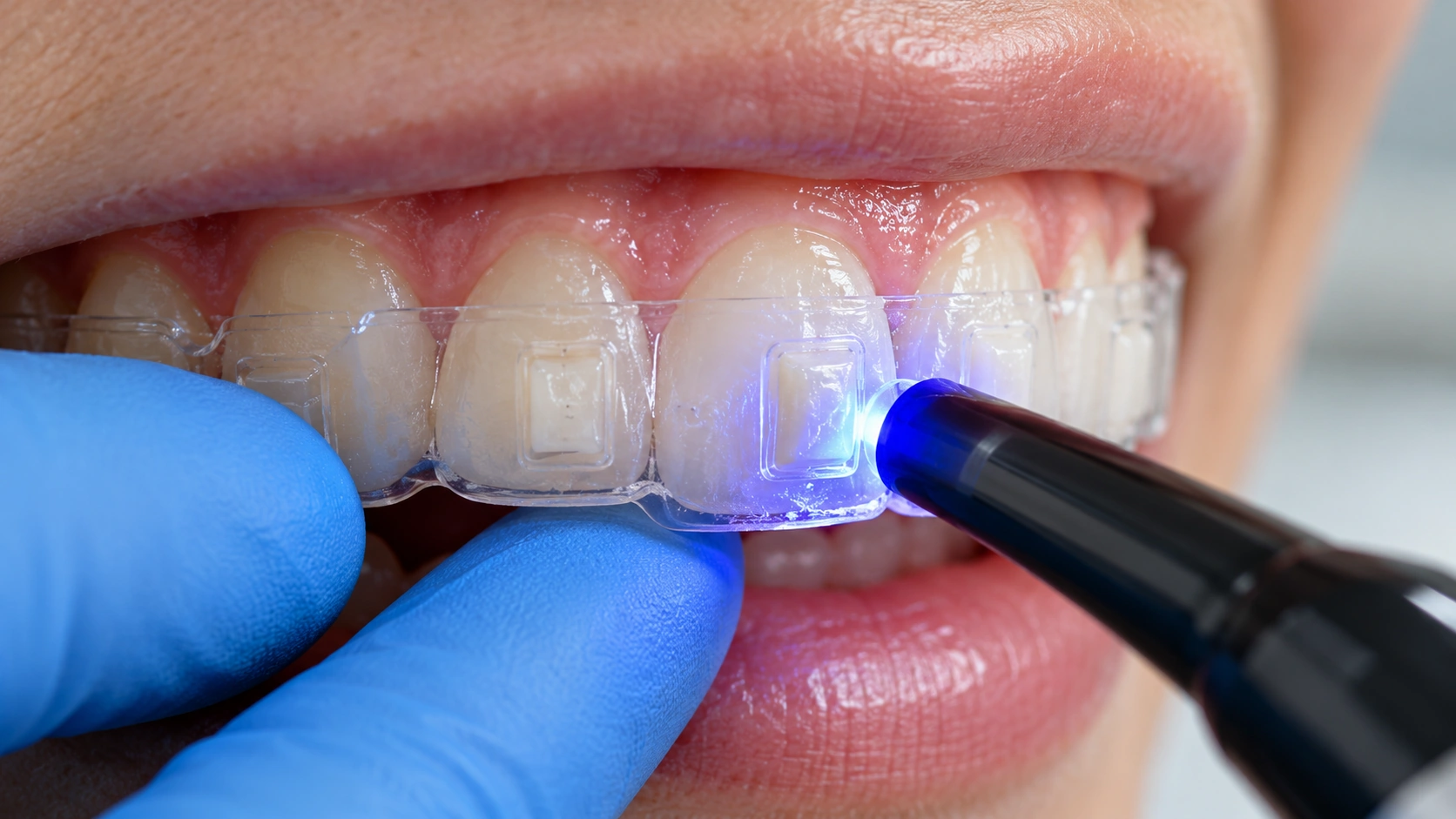
A practical, evidence-based guide to bonding clear aligner attachments for clinics and DSOs, covering templates, composite choice, wear, restorations and safe removal, with a step-by-step chairside protocol.
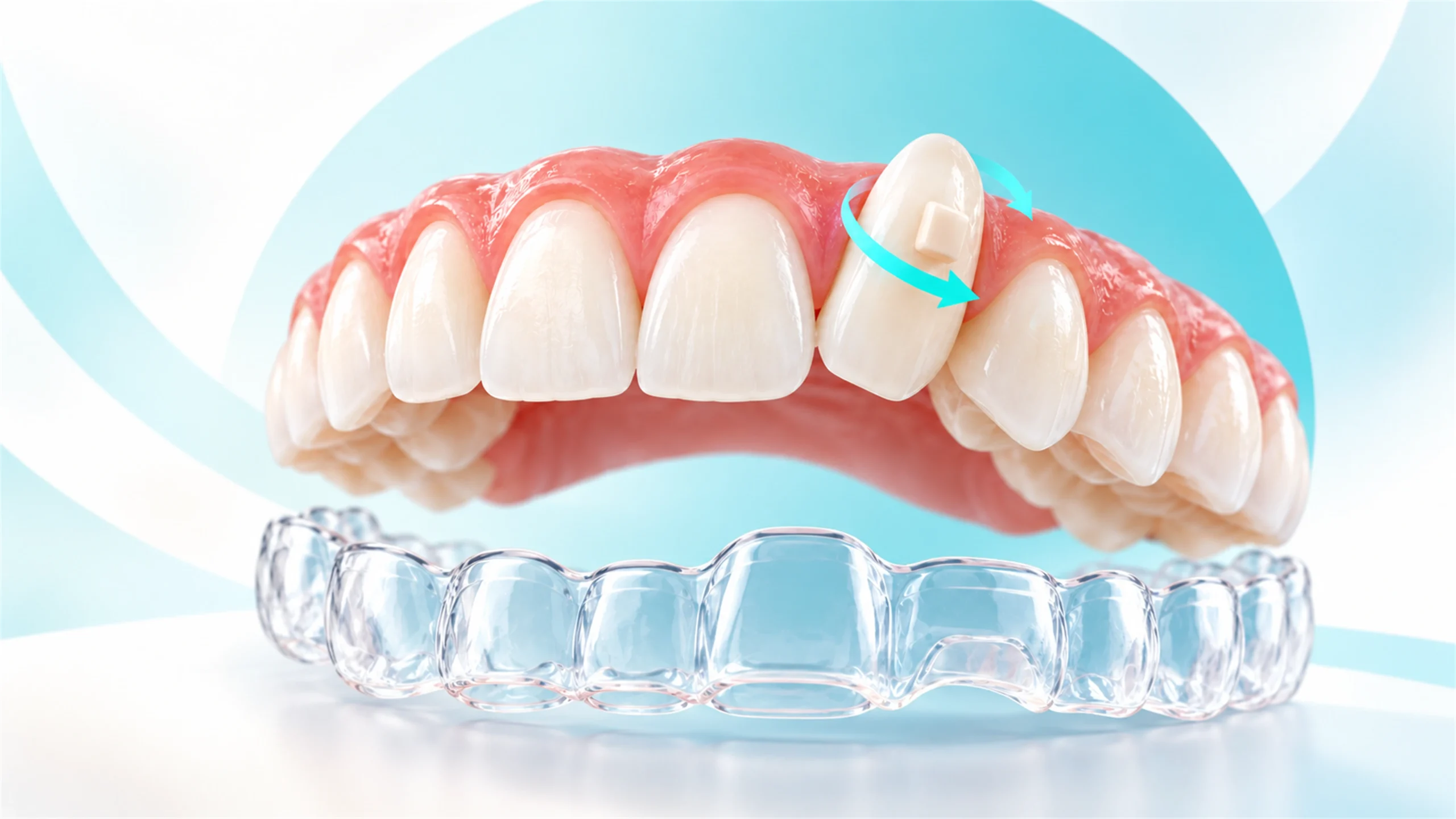
Treatment Planning October 15, 2026 · 10 min read Correcting Rotations With Clear Aligners: Accuracy, Staging and Attachments What clinical studies show about derotation with
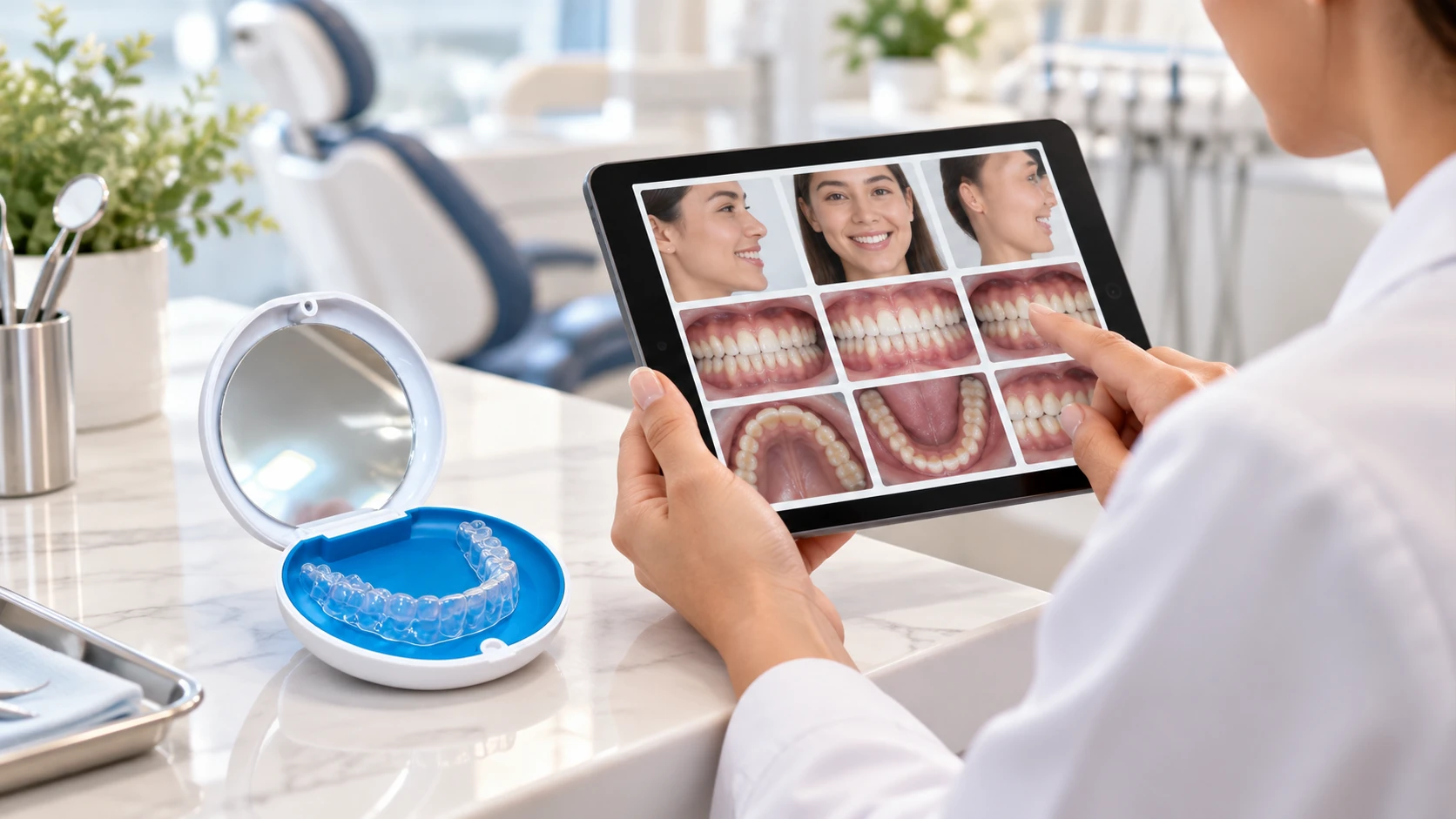
Remote monitoring reduces in-office visits for clear aligner cases, but it has not been shown to shorten treatment. See what the studies show, where AI notifications fall short and how to build a protocol.

Weekly, every 10 days or every two weeks? See what randomized trials show about clear aligner change intervals, when a slower schedule makes sense and how to set a protocol for each case.
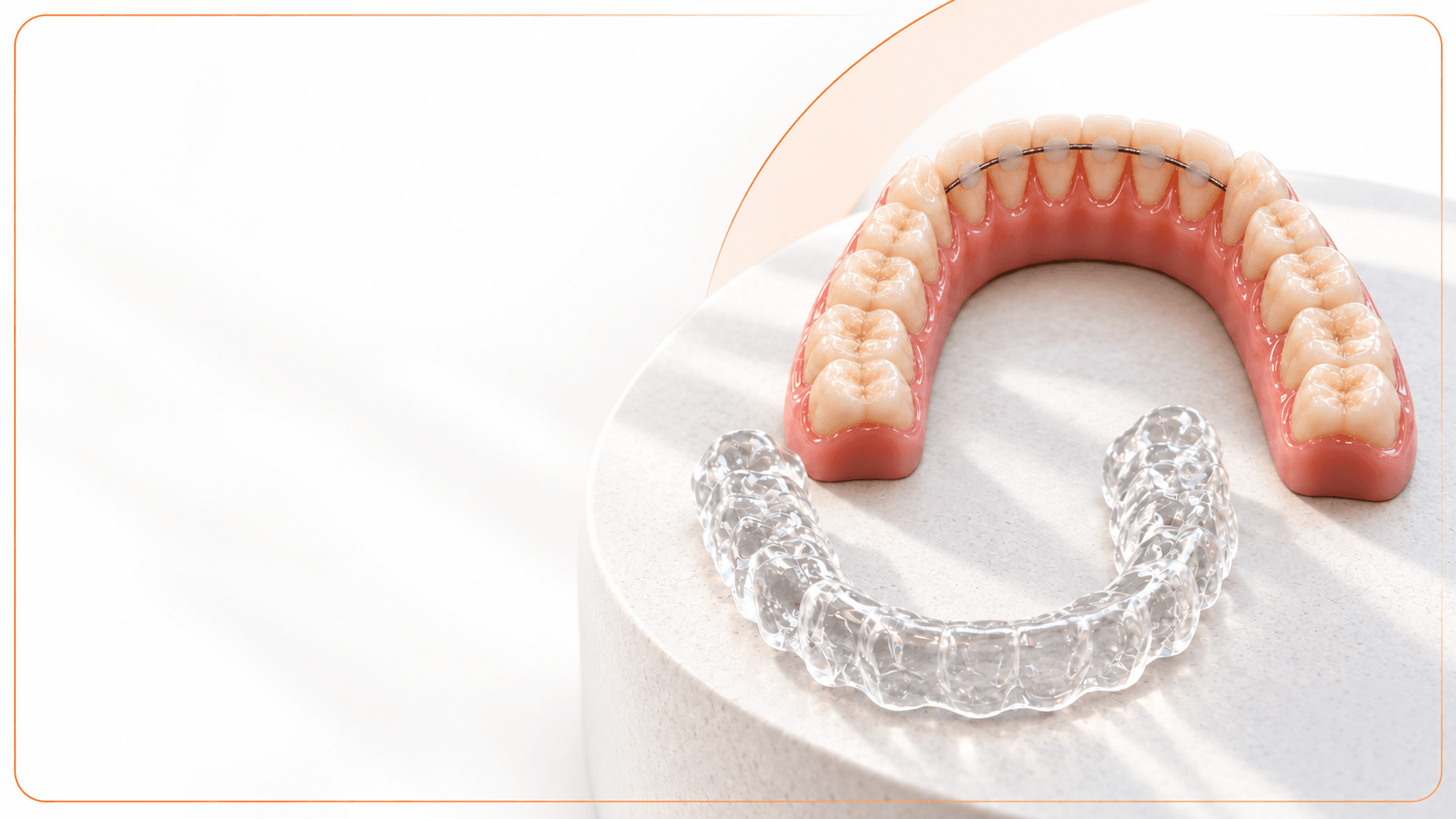
A practical guide for dentists, orthodontists and DSOs on planning retention after clear aligner treatment, from choosing a retainer to setting up reviews.
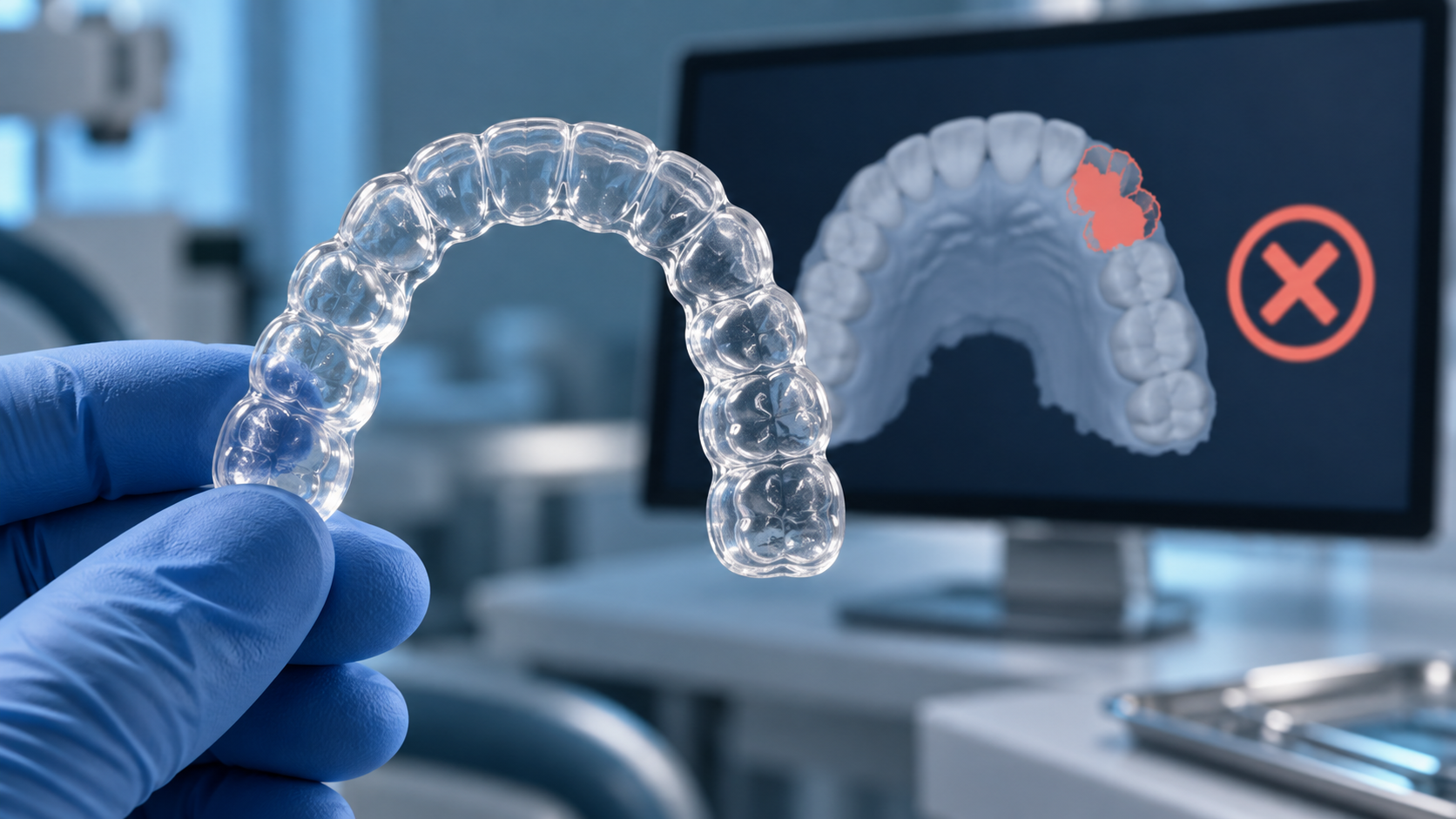
A practical guide to why clear aligner cases get put on hold or rejected, covering scan errors, missing records, unclear prescriptions and case selection, plus a pre-submission checklist.
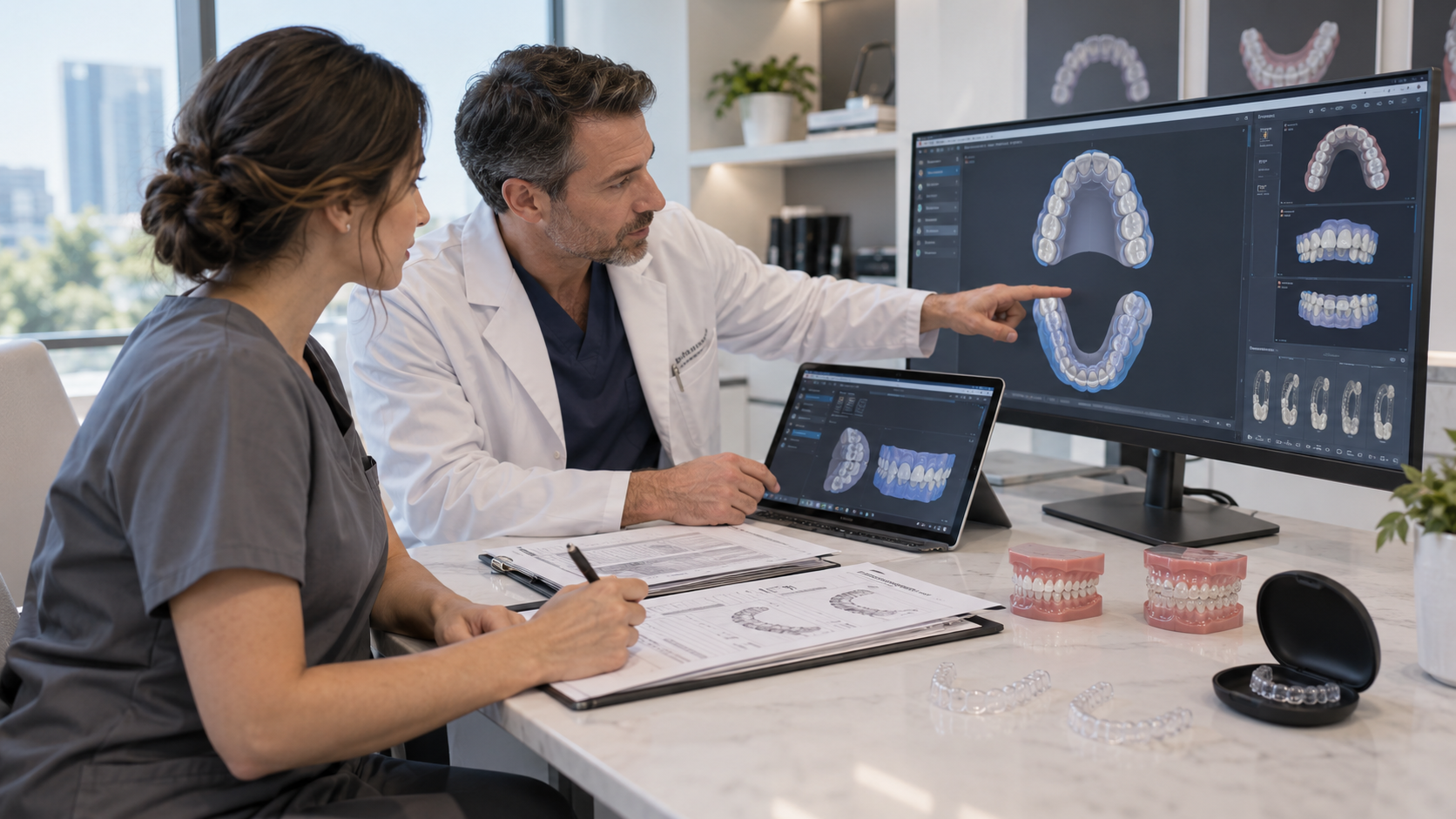
Switching clear aligner manufacturers is a clinical and operational transition that requires precision. This guide explains how practices, DSOs, and aligner brands can transfer active cases, STL files, treatment records, and production workflows while protecting treatment continuity, patient confidence, and turnaround times.
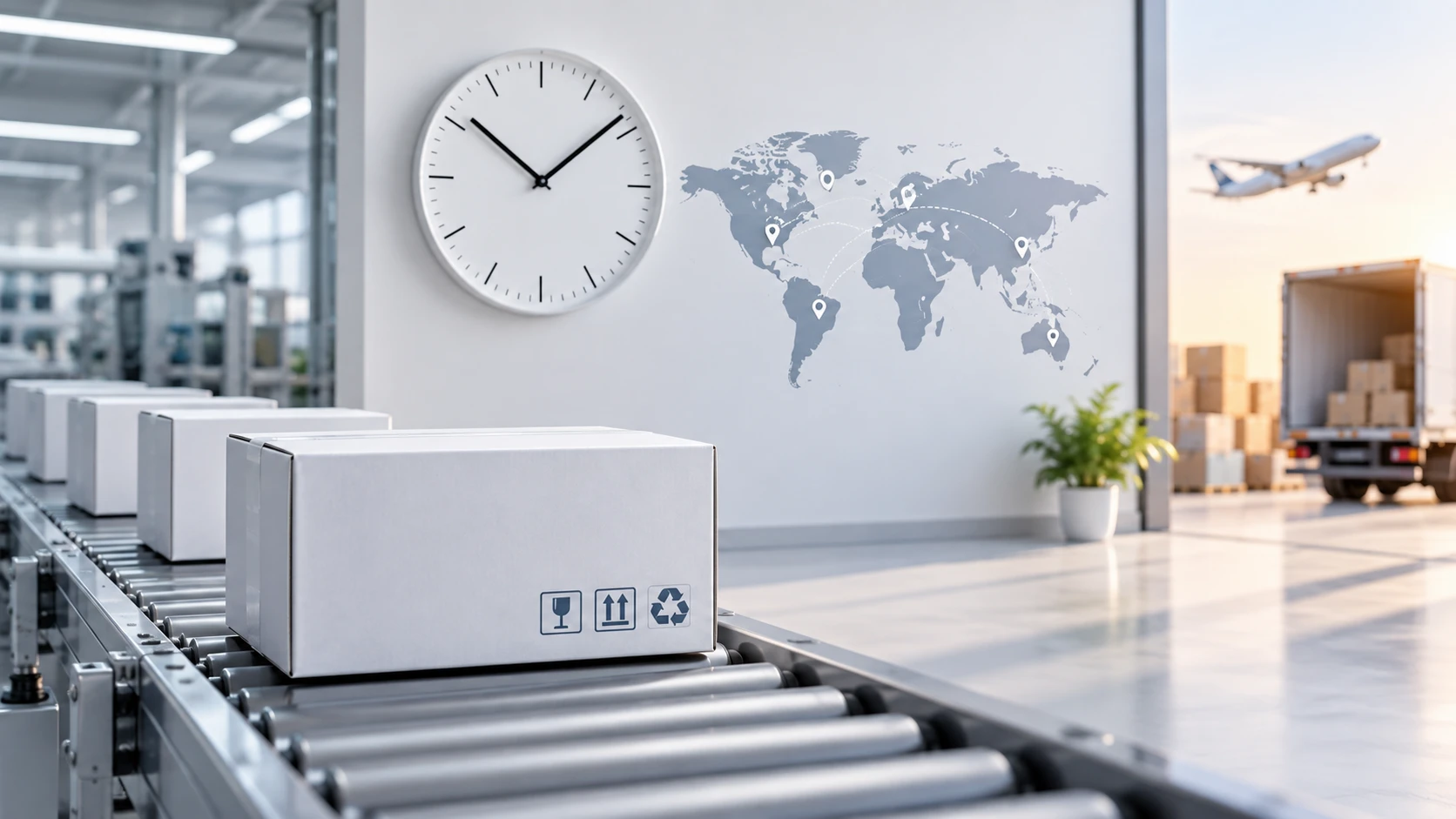
A “5–7 day turnaround” usually describes one link in a much longer chain. This guide breaks aligner turnaround into its real stages — submission, design, approval, production, quality control and shipping — so dentists, labs and DSOs can compare partners on true door-to-door time, not a headline number.
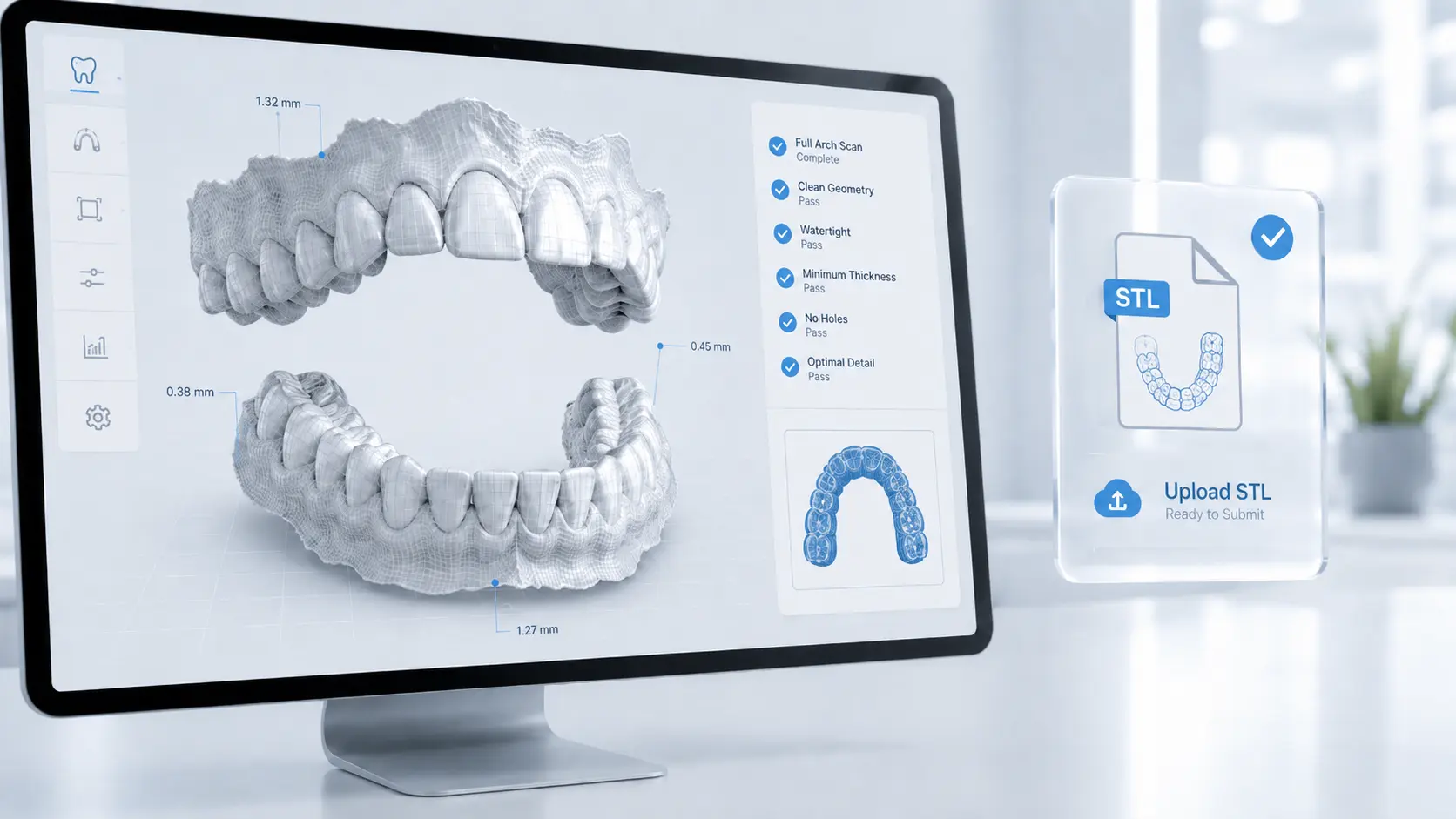
Choosing the best intraoral scanner for clear aligners starts with your clinical workflow. Compare file compatibility, full-arch capture, bite registration, team usability and total ownership cost before committing to a scanner.
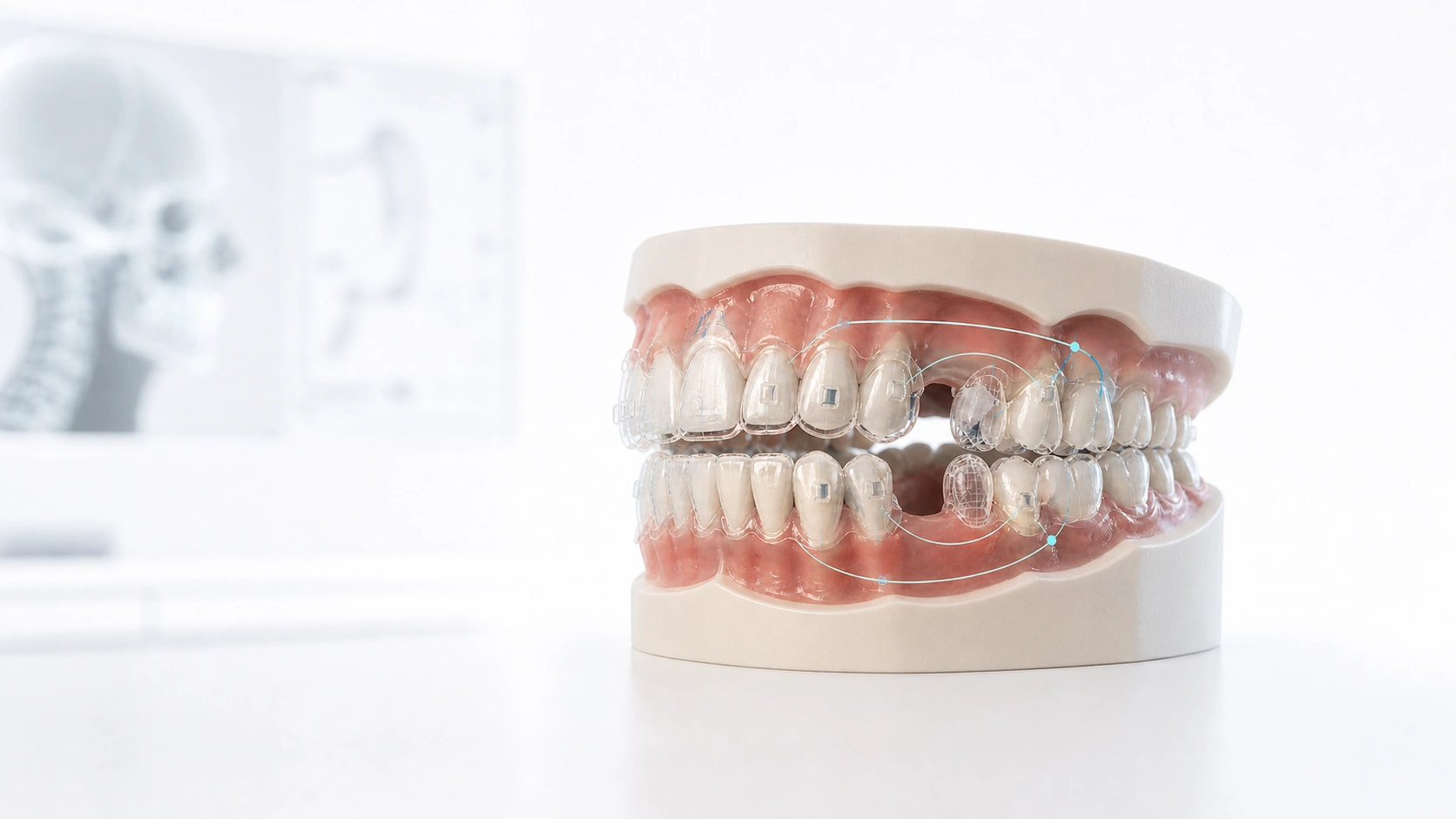
Extraction cases with clear aligners require careful diagnosis, anchorage control, space management, and realistic treatment planning. This guide explores when aligner therapy may be appropriate for complex extraction cases and when referral to an orthodontist is the safer clinical approach.
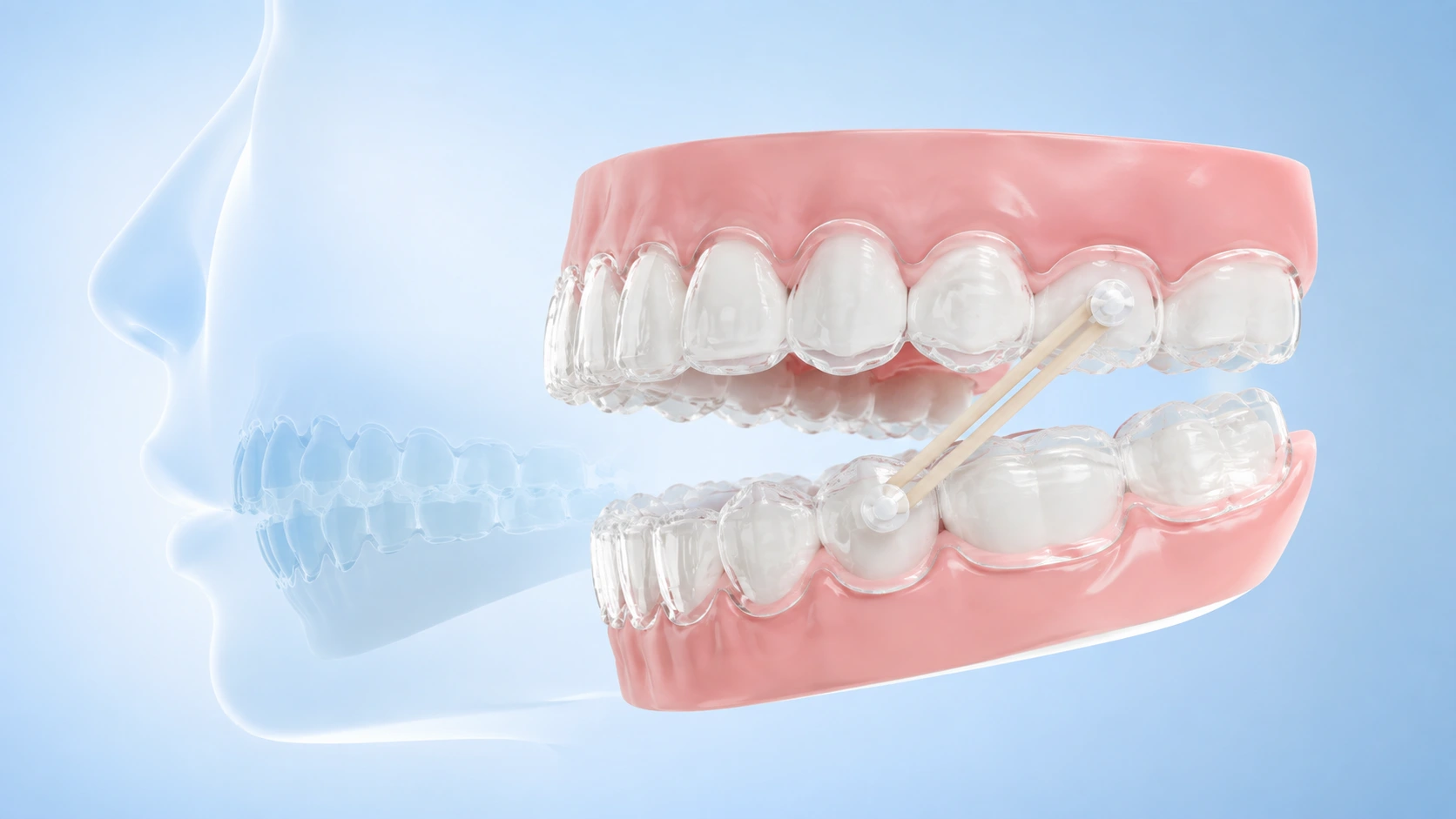
Class II is the malocclusion most often over-promised in aligner therapy. The setup shows a perfect Class I finish; the mouth delivers proclined incisors and tipped molars. This guide covers how to separate dental from skeletal Class II, how elastics, precision cuts, mandibular advancement and sequential distalization actually work, and how to stage a setup that expresses
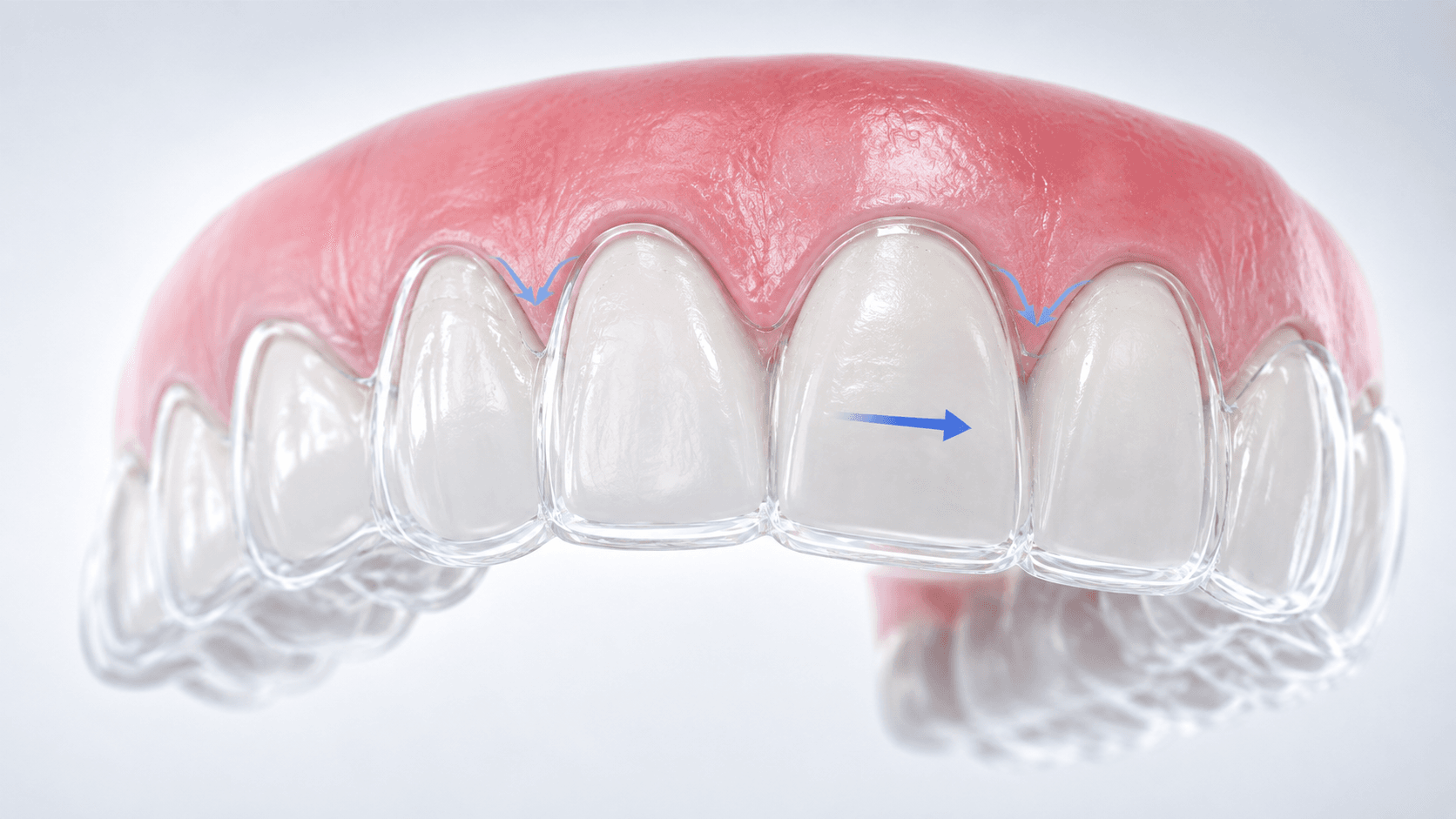
Most people consider orthodontic treatment for how it looks. The stronger argument is what it prevents. Here is how crowding, deep bite, crossbite and spacing each affect gum health, enamel wear and long-term dental cost.
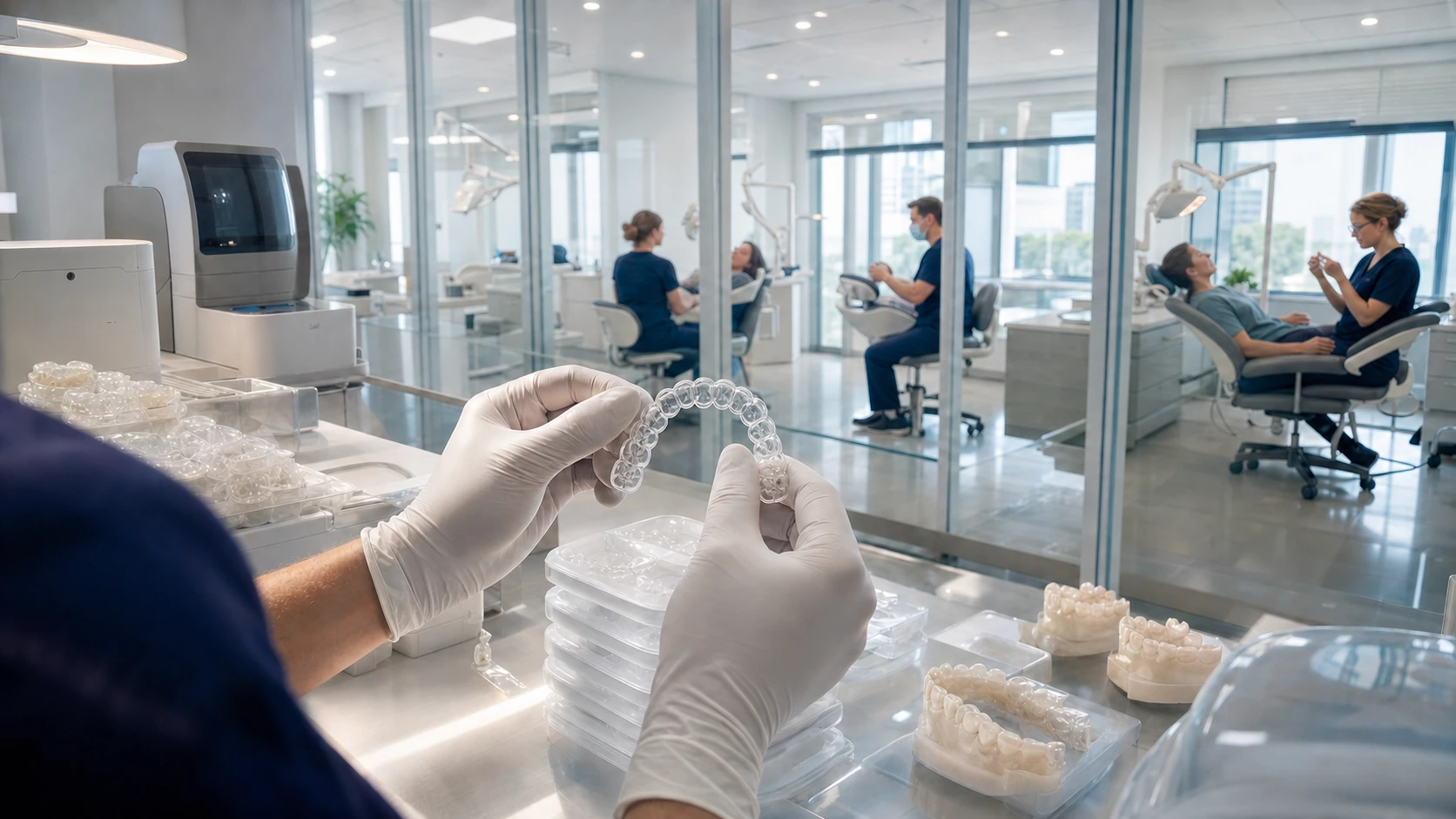
A practical 2026 framework for DSOs and dental groups comparing clear aligner manufacturers on quality systems, regulatory readiness across US/EU/UK/AU/CA markets, cloud treatment-planning workflows, clinical governance, scalability and total program cost — plus a 12-question supplier checklist and a controlled pilot scorecard.
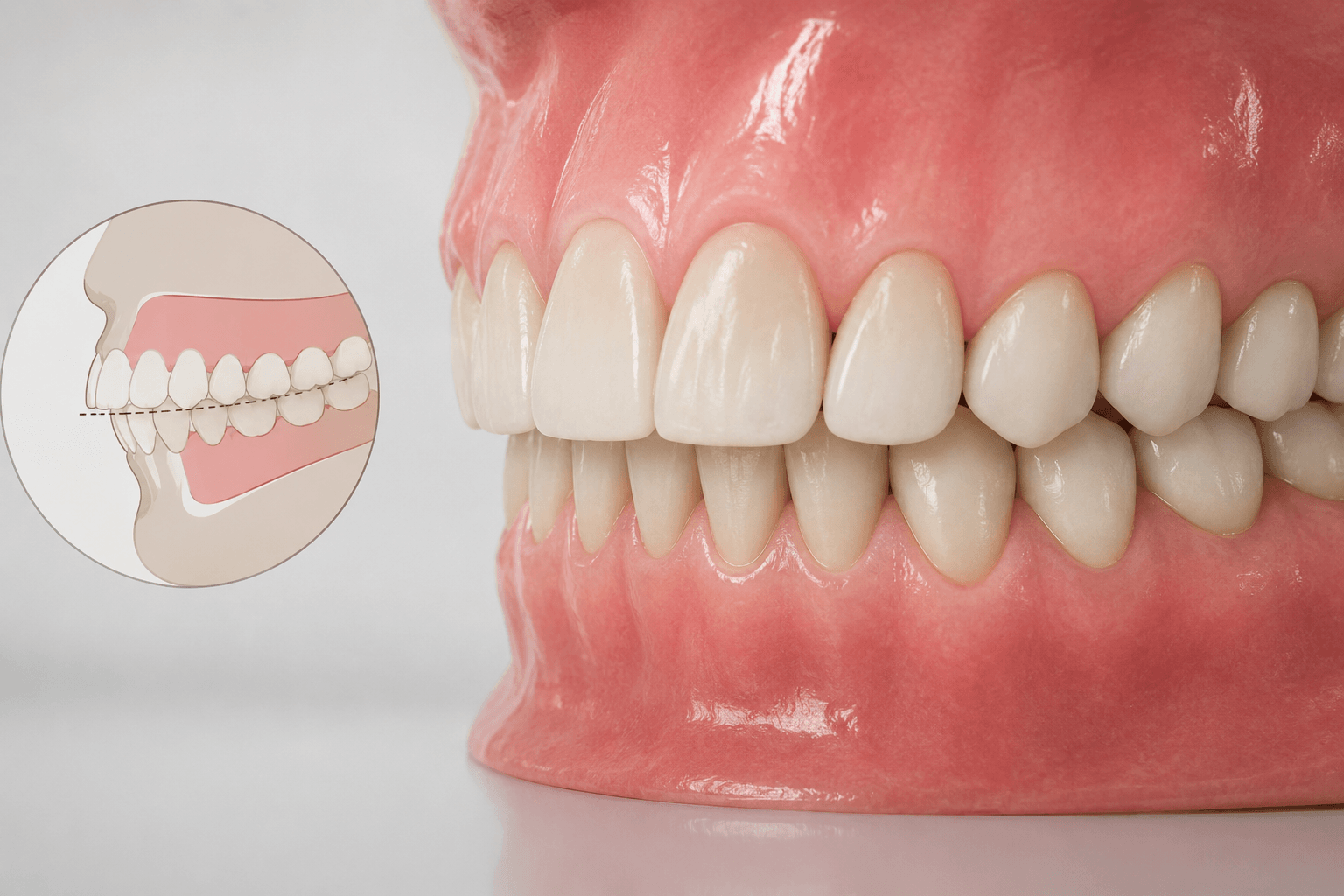
Deep bite is one of the most commonly under-planned malocclusions in aligner therapy. This clinical guide covers diagnosis, the four mechanics of bite opening, bite ramp design and placement, true incisor intrusion with force and anchorage control, a six-step digital setup workflow, and why deep bites relapse.
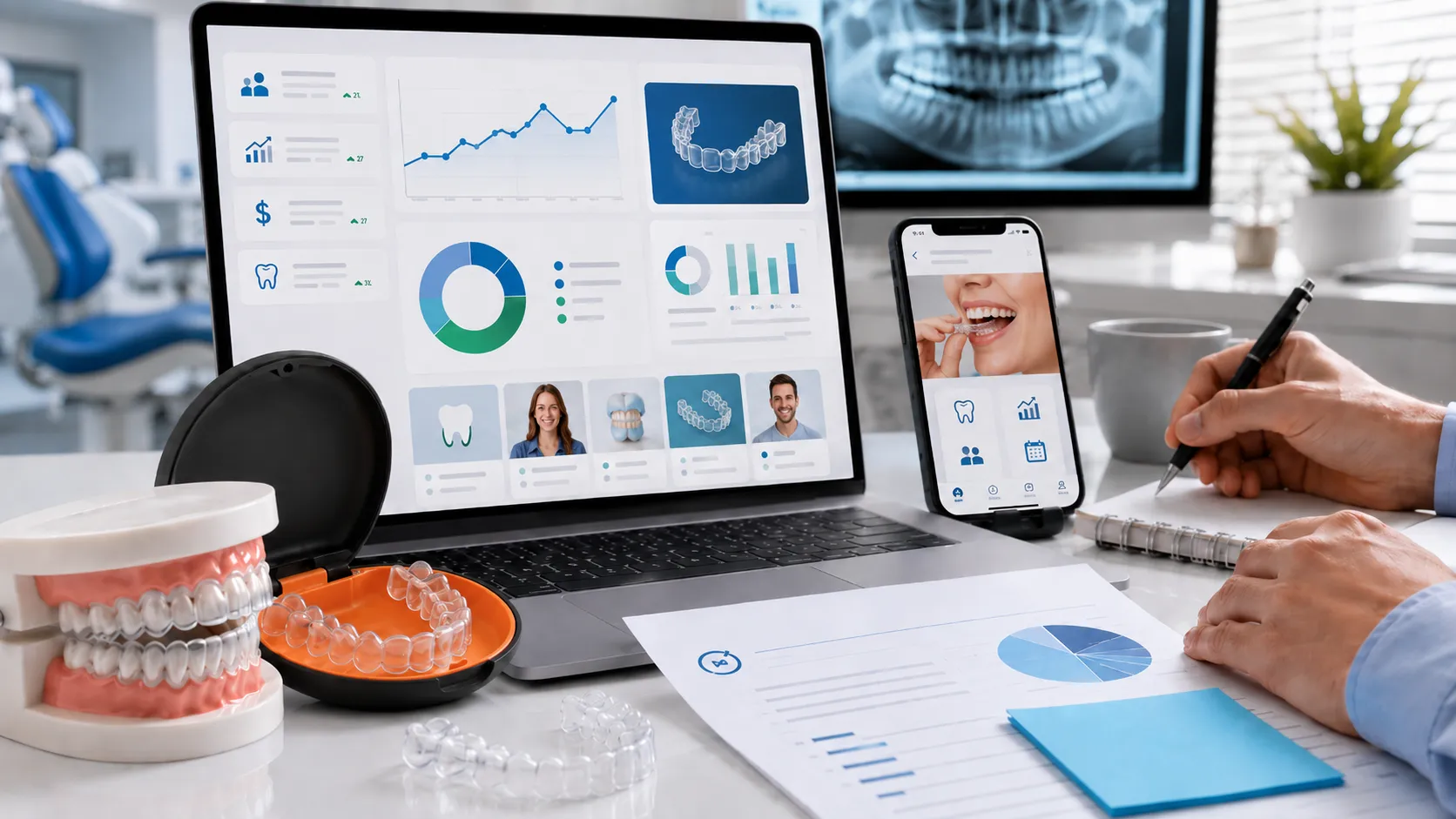
A practical guide to the commercial, clinical, operational and financial metrics every clear aligner brand should track to improve quality and scale profitably.
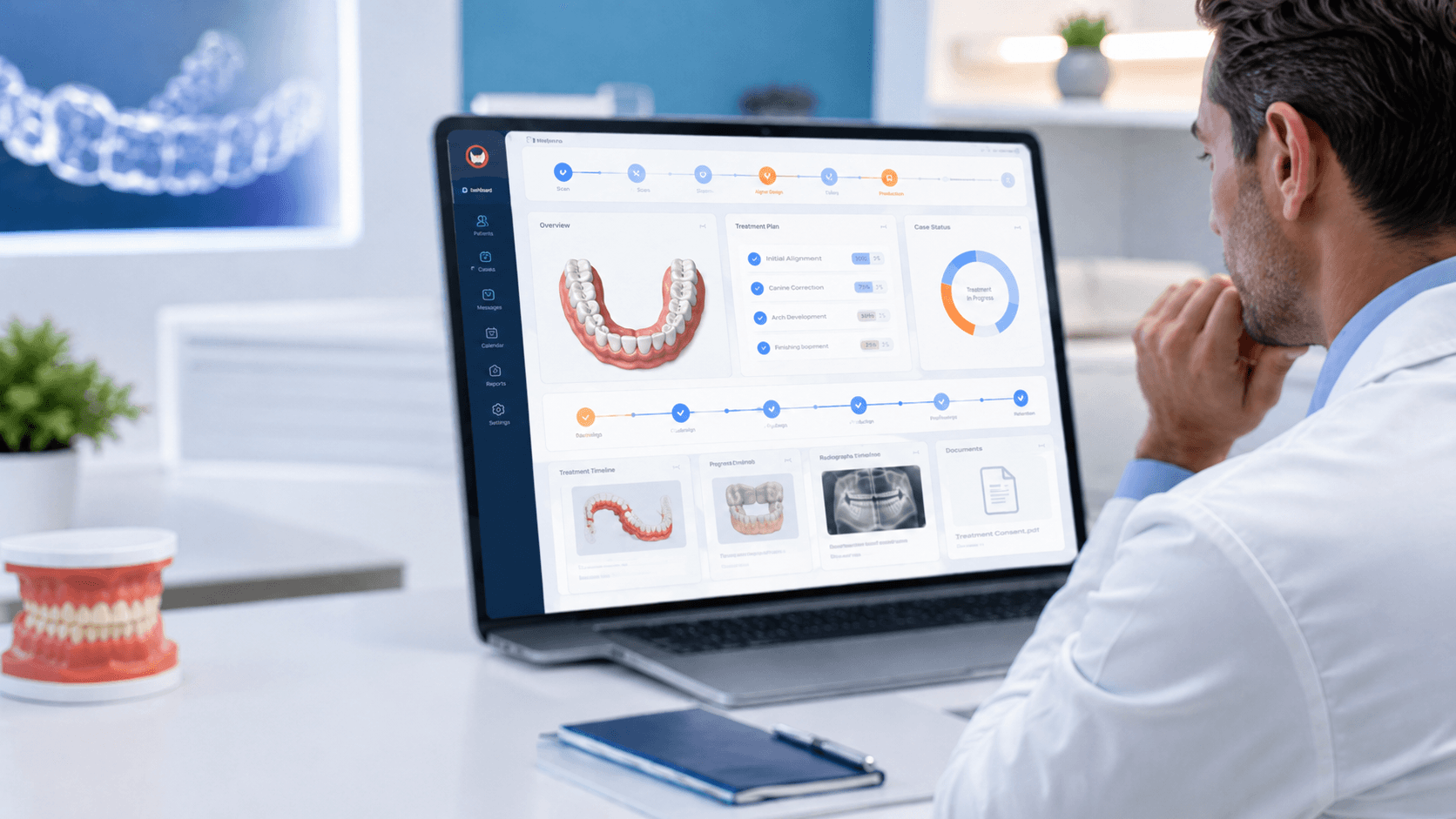
Managing aligner cases across email threads, spreadsheets, and shipping labels costs you time and invites errors. A clear aligner doctor portal pulls submission, 3D setup approval, case tracking, and communication into one secure dashboard. Here’s exactly how it makes case management faster, cleaner, and easier to scale — and how to get portal access.
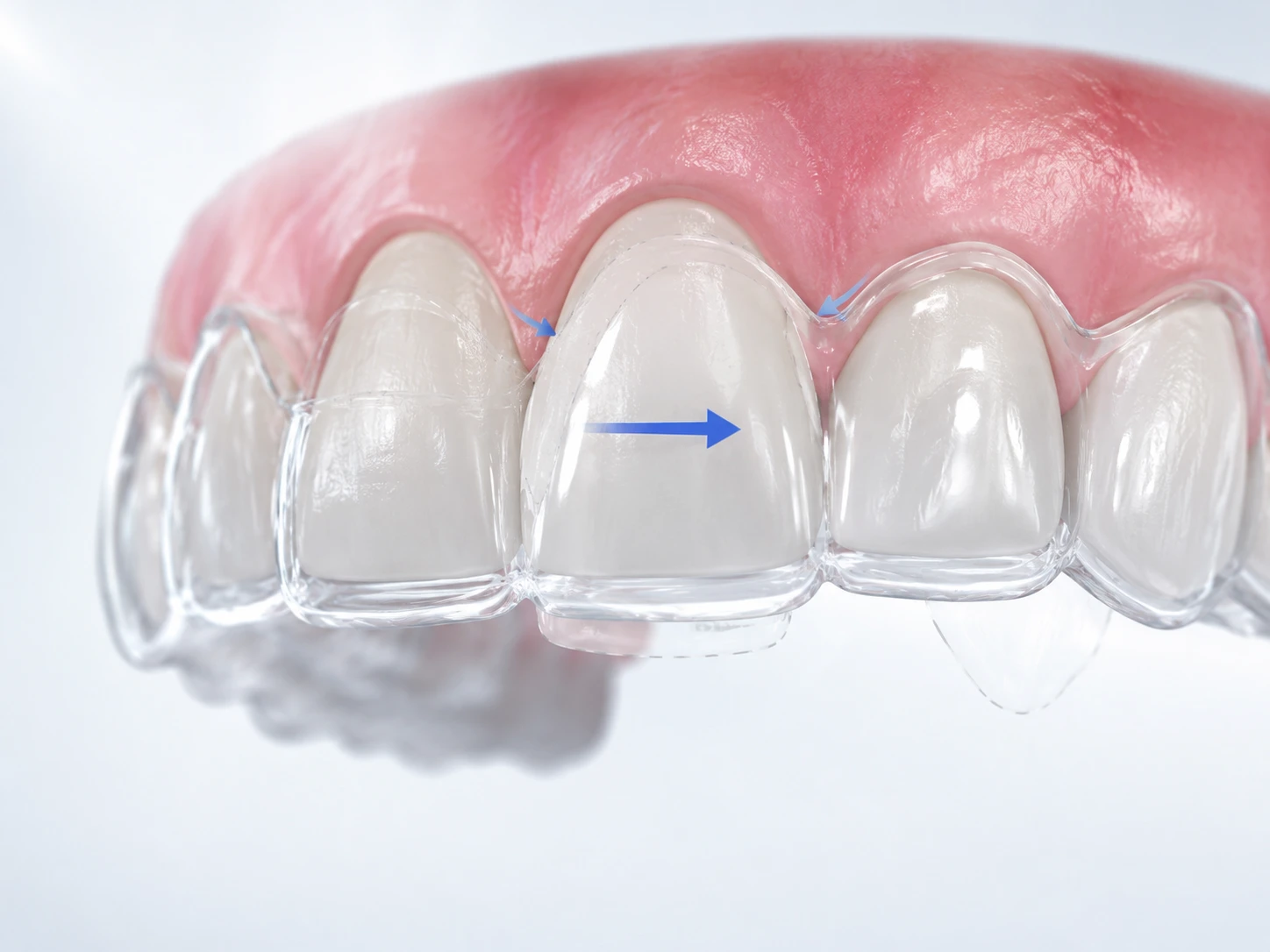
Not every tooth movement is equally easy for an aligner. Here’s how tipping, rotation, extrusion, and torque work — and why planning skill decides if a case tracks.
Learn how to market clear aligners more effectively with practical scripts, objection-handling tips, fee presentation strategies, and patient loyalty tactics that help increase case acceptance.
A clean, complete STL file is the foundation of every accurate clear aligner setup. Here’s exactly what your scan files need—mesh quality, scanner export settings, bite registration, and more.
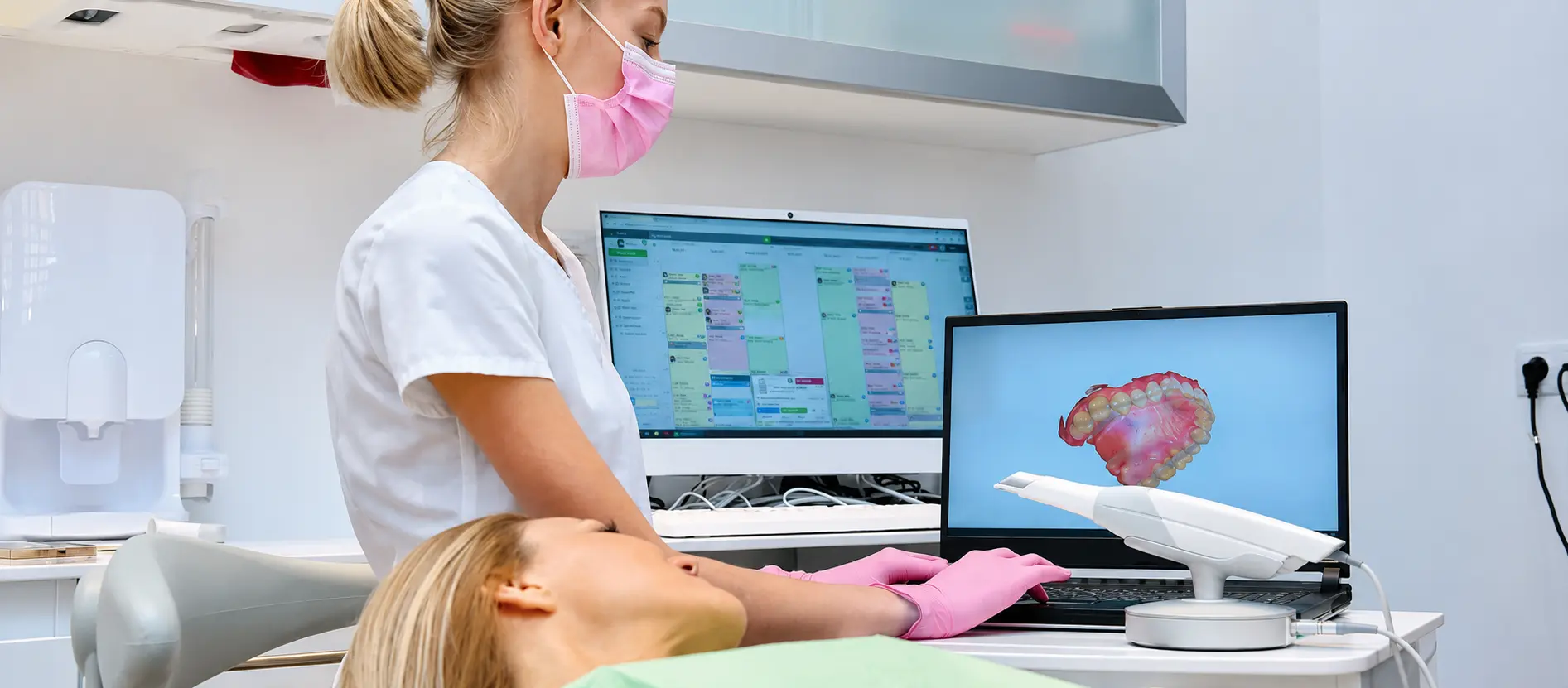
Outsourcing your treatment planning saves chair time — but the approval click is still your clinical decision. This is a practical checklist for reviewing a 3D digital setup with confidence, covering root torque, staging, IPR placement, attachments, final occlusion, and overcorrection before you sign off.
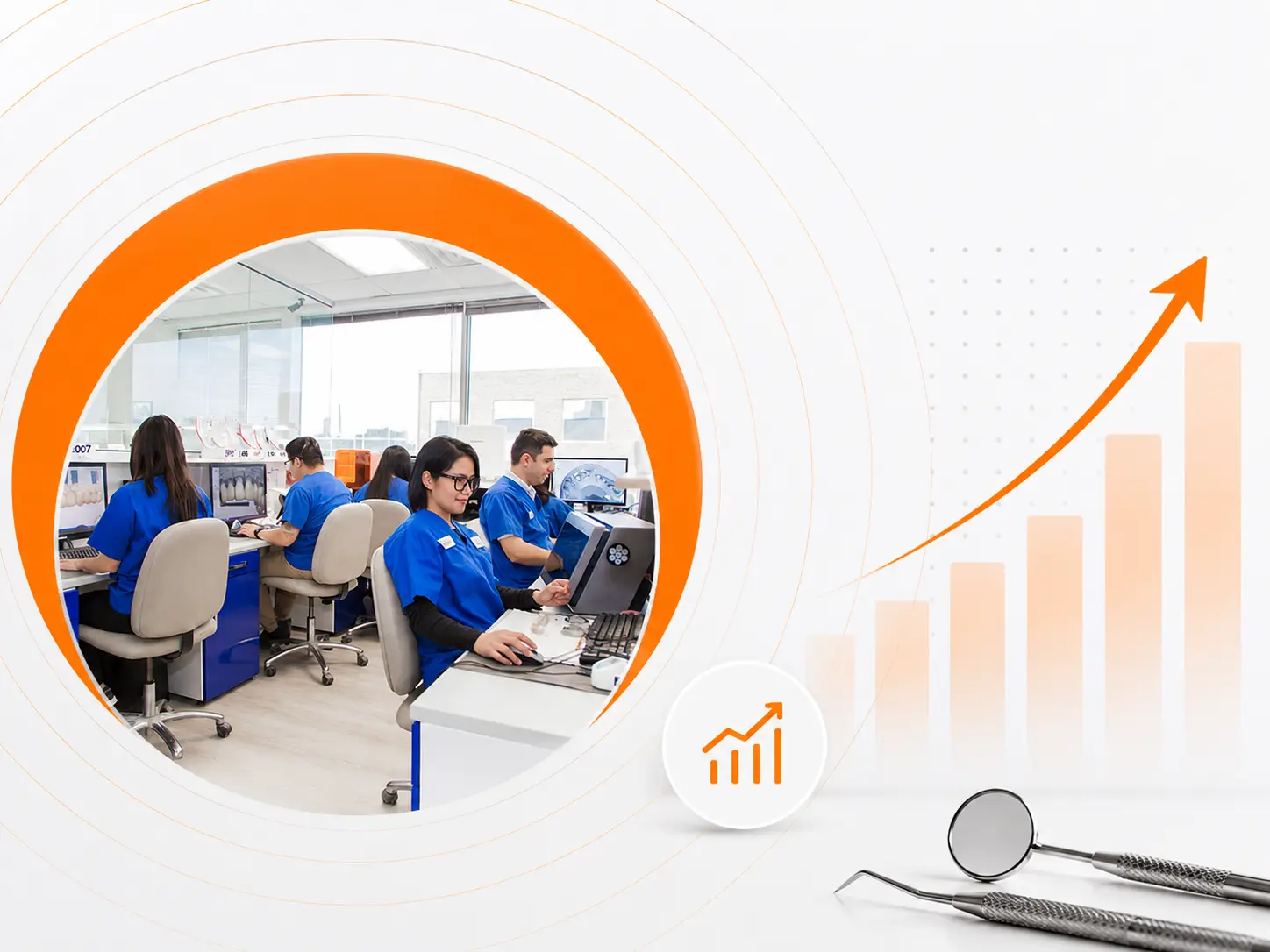
Clear aligners can become a strong new revenue stream for dental labs, but the right manufacturing partner matters. Labs need consistent aligner quality, accurate treatment planning, fast turnaround, transparent pricing, easy case submission, and white-label support that helps them serve dentists under their own brand.
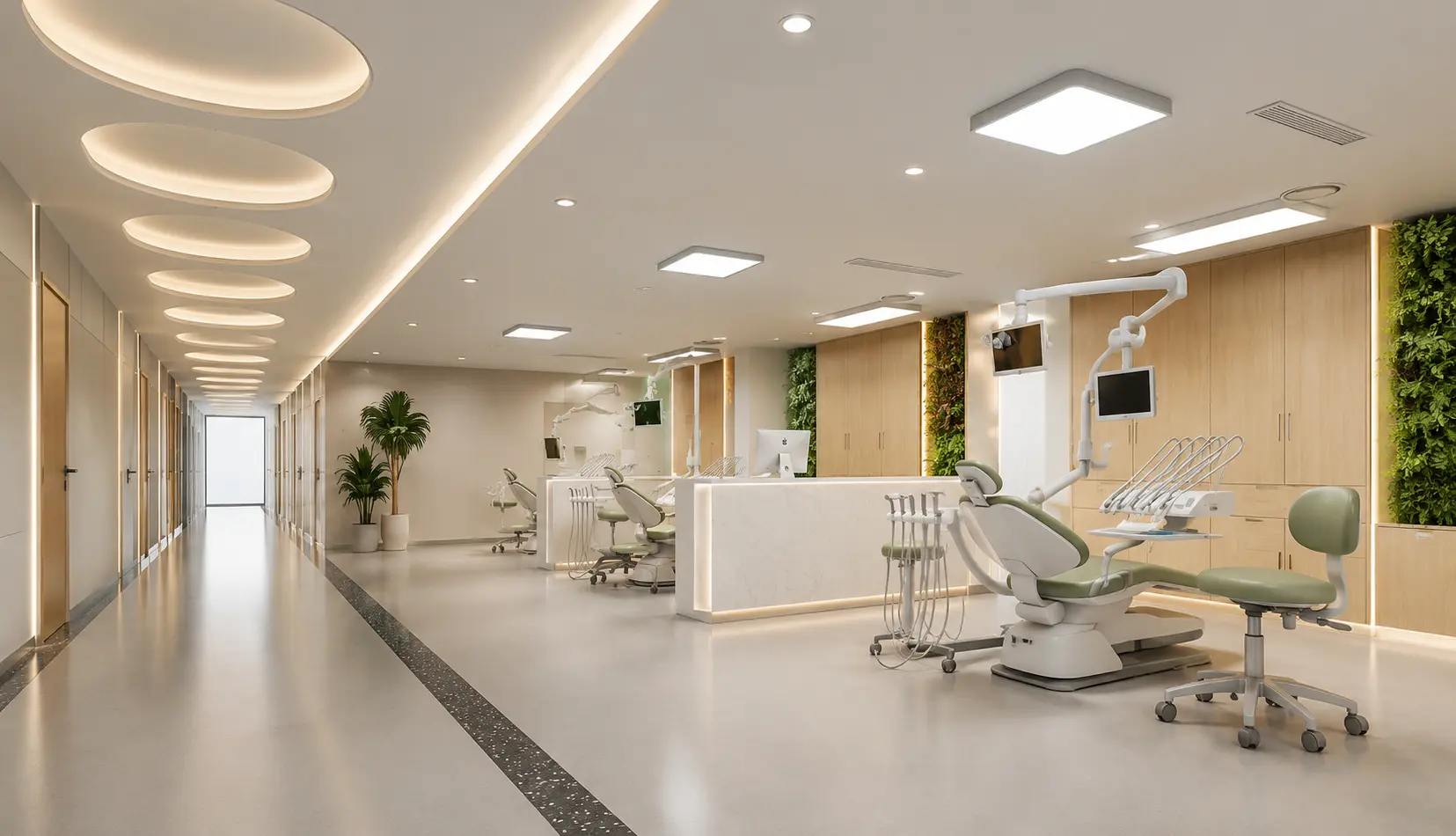
Clear aligners are one of the highest-margin revenue lines available to dental service organizations today — yet most DSOs are still reselling national brands at compressed margins. This guide covers how to launch a white-label aligner program across your locations, outsource treatment planning without compromising clinical quality, and model the revenue impact at 10, 50, or 200+ sites.
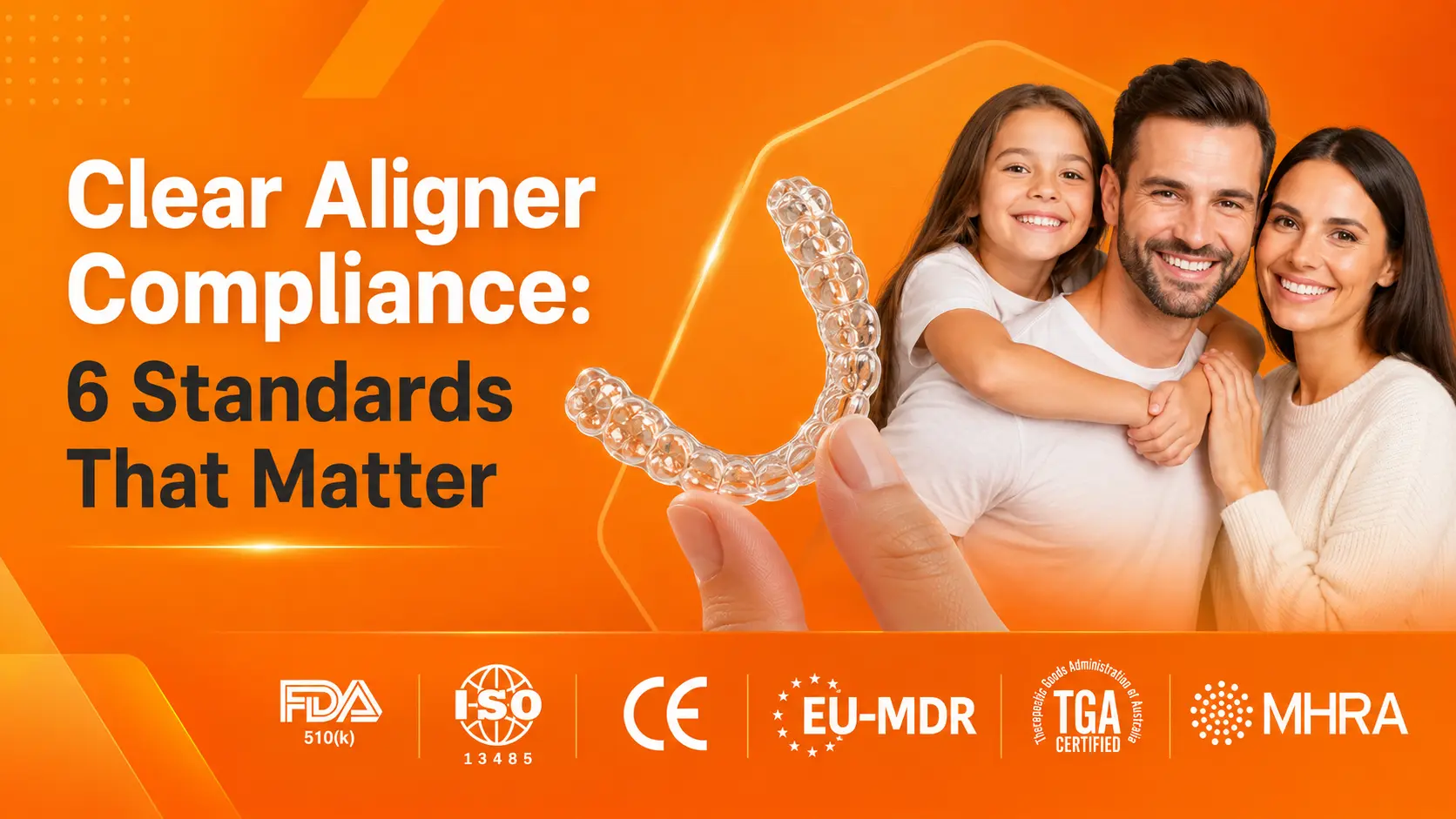
A clinician’s guide to clear aligner certifications: FDA 510(k), ISO 13485, CE, EU MDR, MHRA, and TGA. Compare standards and verify any manufacturer
Clear aligner refinements often happen when tooth movement, staging, attachments, IPR, or treatment planning details are not optimized from the start. Better 3D treatment planning helps clinicians and clear aligner providers improve case predictability, plan controlled tooth movements, reduce mid-treatment corrections, and deliver more accurate aligner outcomes. This article explains how digital treatment planning can help reduce refinement rates and support a smoother clear aligner workflow from scan to final smile.

Outsourcing clear aligner treatment plans allows dental clinics, orthodontists, labs, and aligner companies to manage more cases without increasing in-house workload. With expert digital treatment planning support, clinics can improve case accuracy, speed up aligner workflows, reduce operational pressure, and deliver predictable clear aligner results while focusing more on patient care and business growth.
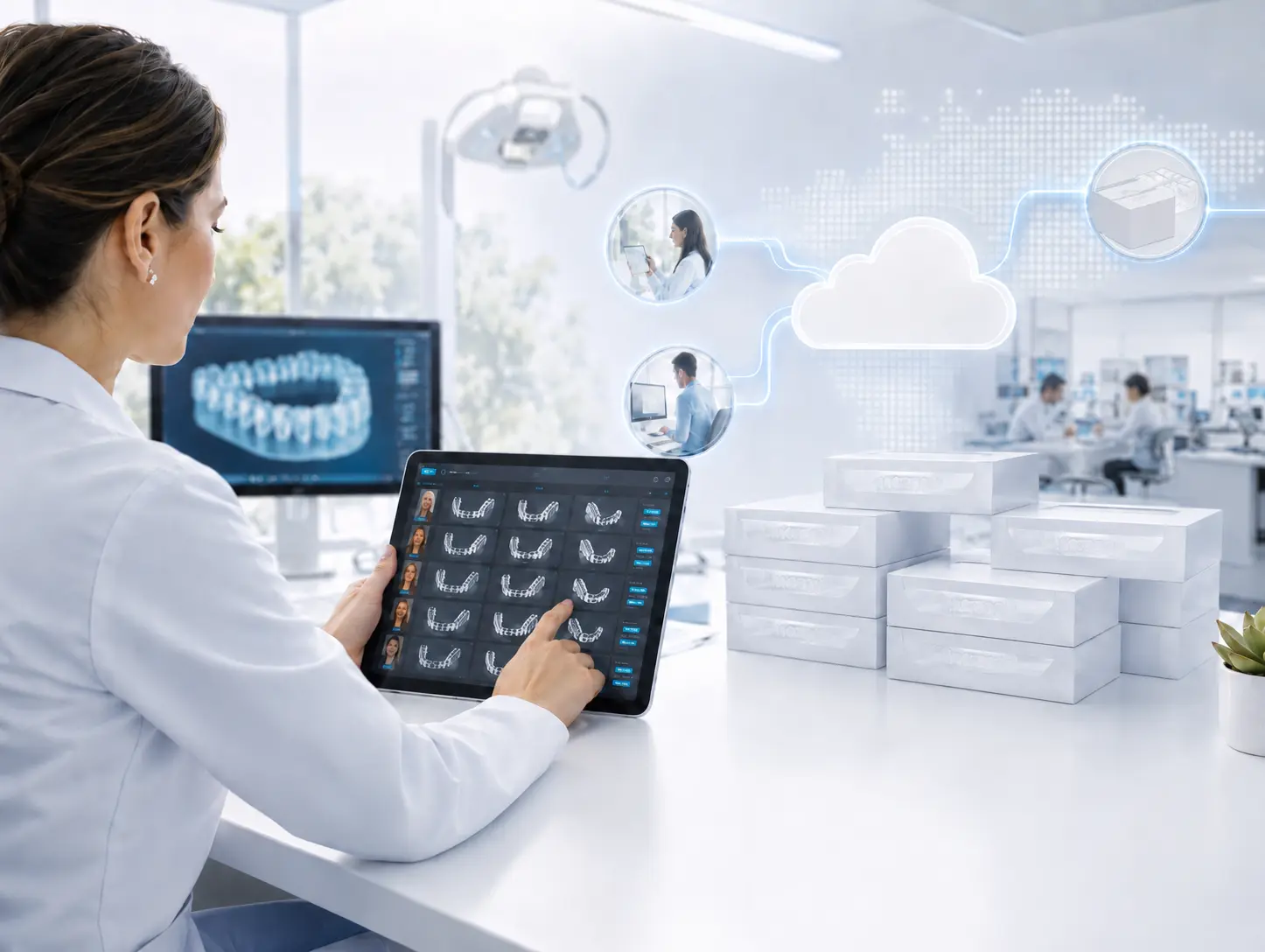
How Dental Clinics Can Scale Clear Aligner Cases Without Expanding In-House Production Business Growth May 20, 2026 · 10 min read How Dental Clinics Can
Your last aligner is not the end of your care plan. Learn what to discuss about retainer type, prescribed wear, replacement costs and follow-up checks before active treatment finishes.
Clear aligners and invisible braces deliver teeth straightening results only when patients maintain orthodontic treatment compliance. Learn why dental aligner discipline matters more than the tray, the 20-22 hour wear time rule, and 5 proven strategies to finish your clear aligner treatment on time with the best orthodontic results.

The best clear aligner provider for a dental practice holds FDA 510(k) clearance, ISO 13485 certification, and at least one regional certification, offers AI-powered 3D treatment planning, and delivers white-label branding with 5–7 day turnaround. This guide covers the six evaluation criteria dentists should use when choosing a manufacturing partner in 2026 — with certification tables, material benchmarks, ROI calculations, and a 10-question provider checklist.

Worried your teeth don’t meet right — but not sure what you’re dealing with? Open bite and crossbite are both common malocclusions, but they work differently, cause different problems, and need different treatment approaches. This guide breaks down exactly what each condition is, what causes it, the health risks of leaving it untreated, and how modern clear aligners can correct both.

Excerpt
Worried your clear aligner treatment will be painful? Most patients feel mild tray pressure — not sharp tooth pain — for just 1 to 2 days per aligner change. Here’s everything you need to know about aligner soreness and how to manage it fast.

A clinical treatment planning guide for orthodontists covering anterior vs posterior crossbite diagnosis, digital setup strategies in Simply Ceph 3DS, expansion mechanics, attachment protocols, bite ramp usage, staging strategies by case type, and real-world predictability data from 2025 research.

3D printers are cheaper than ever — but the fastest-growing practices aren’t building labs. They’re building brands. Here’s why certified manufacturing still wins on cost, quality, and scale in 2026.
If you’ve ever wondered whether to see a dentist or an orthodontist for a particular dental concern, you’re not alone. Most people use the two terms almost interchangeably, assuming both professionals do more or less the same thing. But the truth is, while dentists and orthodontists share common ground, their roles, training, expertise, and the conditions they treat are quite different.

A comprehensive guide for dentists, orthodontists, and dental labs on evaluating clear aligner providers — covering certifications, material quality, 3D treatment planning, white-label and OEM capabilities, clinical support, global logistics, and practice profitability in 2026.

Learn how clear aligners move teeth through bone remodeling & controlled pressure. Complete guide covering biology, attachments, treatment phases & timelines.

Research shows only ~50% of planned aligner movements actually happen. This clinical guide breaks down how three critical decisions — attachments, IPR, and staging — can dramatically improve predictability and reduce refinements.

Think clear aligners only fix simple gaps? Think again. Discover 5 common orthodontic problems — crowding, spacing, crossbite, open bite, and rotations — that Clear Moves Aligners can treat comfortably and invisibly. Backed by FDA, EU MDR, ISO, and CE certifications with 150,000+ smiles transformed worldwide.

Clear aligners offer a modern, discreet solution for closing spacing and gap teeth. Using advanced digital treatment planning, teeth are gradually moved into alignment with precision and comfort.
Thinking about straightening your teeth without metal braces? Clear aligners in Pakistan are now more accessible than ever — but before you start, there is a lot you need to know. This complete 2026 guide covers how clear aligners work, who is a suitable candidate, the full step-by-step treatment process, realistic costs (PKR 80,000 to 500,000+), how to choose a qualified clinician, daily care tips, treatment timelines, and why the retention phase is the most critical step most patients overlook. Whether you are based in Karachi, Lahore, Islamabad, or anywhere else in Pakistan, this guide gives you everything you need to make a confident, informed decision.

Learn how multi-layer vs single-layer aligner sheets affect force consistency, patient comfort, tracking, and refinement/remake rates in clear aligners.
Choosing between white label, private label, and OEM clear aligners goes far beyond branding. This guide explains how each model impacts treatment planning, workflows, scalability, clinical control, and long-term growth for clinics, labs, and DSOs.

Multi-layer aligner materials play a critical role in clear aligner success by improving force consistency, tracking accuracy, comfort, and durability. This article explains how layered material design supports more predictable and efficient treatment outcomes.

We Provide Ortho Treatment Planning and White Label Clear Aligner Solutions.
Digital 3D Setup || Clear Aligners Manufacturer || Exporting Worldwide
