
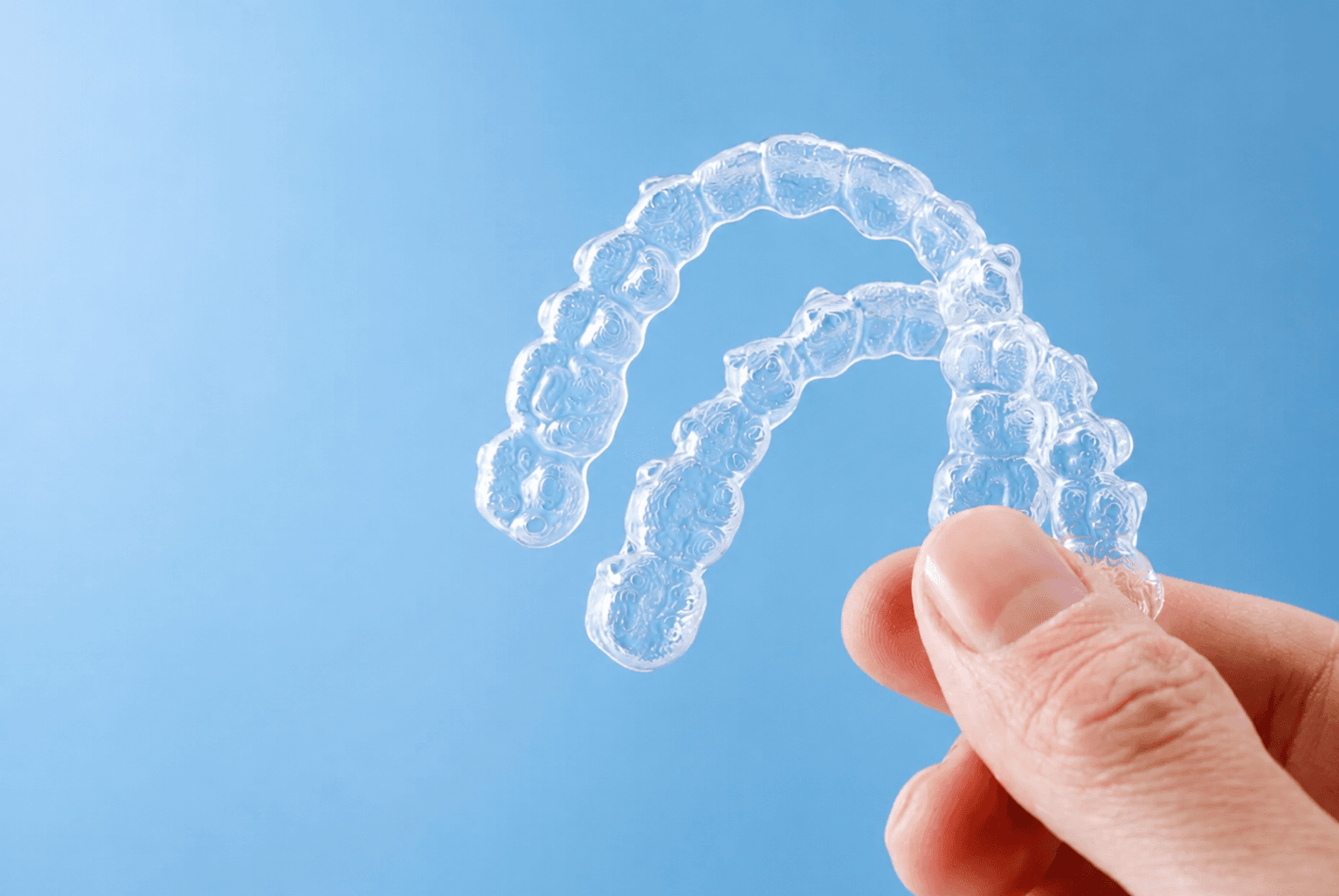
Do I Need Retainers After Clear Aligners?
The short answer: absolutely yes. Retainers after clear aligners aren’t optional—they’re the final, non-negotiable step of your orthodontic treatment. Think of your aligner trays as the crew that built your new smile. Retainers are the security team that keeps it intact.
During treatment, your clear aligners applied gentle, continuous pressure to shift your teeth into their ideal positions. But here’s the part most patients don’t realize: your teeth aren’t permanently fixed in their new spots the moment treatment ends. The bone and soft tissue surrounding each tooth needs time—often many months—to fully remodel and solidify around the new position.
Without a retainer holding things in place during this stabilization period, your teeth will begin drifting back toward where they started. It’s not a matter of if, but when.
Understanding Orthodontic Relapse: Why Teeth Shift Back
Orthodontic relapse is the gradual movement of teeth back toward their pre-treatment positions after braces or clear aligners are removed. It’s one of the most common (and most frustrating) experiences in orthodontic care—and it’s entirely preventable with consistent retainer use.
Several biological factors drive relapse. The periodontal ligaments that connect your teeth to the jawbone have a kind of “elastic memory.” After being stretched into new positions during treatment, they naturally want to pull teeth back. Meanwhile, the gum tissue fibers that were reorganized during treatment take the longest to remodel, creating persistent tension for months after your aligners come off.
External factors play a role too. Everyday habits like tongue thrust, teeth grinding (bruxism), or even the natural pressure from your lips and cheeks can push teeth out of alignment over time. Wisdom teeth, while not always a direct cause, can also add crowding pressure in some cases.
Who Is Most at Risk?
While every patient faces some degree of relapse risk, certain cases are more susceptible. If your treatment involved significant rotation correction, closing large gaps, or addressing severe crowding, the forces pulling teeth back tend to be stronger. Patients who had spacing issues or open bites should also be especially diligent with retainer wear.
The bottom line: regardless of how simple or complex your treatment was, retainers after clear aligners are the only reliable safeguard against losing your results.
Types of Retainers: Which One Is Right for You?
Not all retainers are the same, and the best option for you depends on your treatment history, lifestyle, and personal preferences. Here’s a detailed breakdown of the three main retainer types your orthodontist may recommend.
| Retainer Type | Material | Visibility | Durability | Best For |
|---|---|---|---|---|
| Clear (Essix) | Transparent thermoplastic | Nearly invisible | 1–3 years | Clear aligner patients who value aesthetics |
| Hawley | Acrylic + metal wire | Visible wire | 5–10+ years | Cases needing minor adjustments; long-term durability |
| Permanent (Bonded) | Thin metal wire bonded behind teeth | Completely hidden | 10+ years (with care) | High-relapse-risk cases; patients who may forget removable wear |
Clear (Essix) Retainers
If you wore clear aligners, this type will feel immediately familiar. Clear retainers are custom-molded, transparent trays that snap over your teeth. They’re the most popular choice after aligner treatment because they’re virtually invisible, comfortable, and easy to get used to. However, they don’t last as long as other types and can crack or yellow with wear, so plan on replacing them every one to three years.
Hawley Retainers
The classic retainer most people picture: a molded acrylic plate with a thin metal wire that runs across the front of your teeth. Hawley retainers are highly durable, adjustable if minor tooth movement occurs, and easy to clean. The trade-off is aesthetics—the wire is visible when you smile. That said, they can last a decade or longer with proper care, making them the most cost-effective option over time.
Permanent (Bonded) Retainers
A thin metal wire is bonded to the back of your front teeth (usually the lower six), keeping them in place 24/7 without any action on your part. Permanent retainers are ideal for patients with a high risk of relapse or those who know they’ll struggle with compliance. The downside: flossing requires a bit more effort (a floss threader or water flosser helps), and the wire can occasionally break, requiring a dental visit to repair.
How Long Do You Need to Wear Retainers?
This is by far the most common question patients ask after finishing clear aligner treatment—and the answer is more nuanced than most expect. Retainer wear happens in two distinct phases, each serving a different purpose in protecting your new smile.
Phase 1: Full-Time Wear (First 3–6 Months)
Immediately after your clear aligner treatment ends, your orthodontist will typically prescribe full-time retainer wear for 20 to 22 hours per day. This means you only remove your retainer for eating, drinking anything other than water, and brushing your teeth.
This phase is critical. Your jawbone is still actively remodeling around the newly positioned teeth, and the periodontal ligaments are at peak elasticity. Skipping even a few days during this window can allow measurable tooth movement.
Phase 2: Nighttime-Only Wear (Ongoing)
After the initial stabilization period, most patients transition to wearing their retainer only at night, typically 8 to 10 hours while sleeping. This phase is less demanding but equally important. Many orthodontists now recommend continuing nighttime retainer wear indefinitely—or at minimum for several years—because teeth can shift at any age due to natural aging, changes in bone density, and everyday oral forces.
- Months 1–6: Full-time wear, 20–22 hours per day. Remove only for meals and oral hygiene.
- Months 6–12: Transition to nighttime wear, every night without exception.
- Year 2+: Continue nightly wear. Some patients can move to every other night under orthodontist guidance.
- Long-term: Many professionals recommend indefinite nightly use for best results.
The golden rule: if your retainer still fits, you should still be wearing it. If you take a break and your retainer feels tight when you put it back in, that’s a sign your teeth have already started shifting.
Thinking About Clear Aligners?
Start your journey with a complimentary consultation from Clear Moves Aligners.
[email protected]How to Clean and Care for Your Retainer
A clean retainer isn’t just about hygiene—it directly affects how long your retainer lasts and how comfortable it is to wear. Here are the essential post-treatment care habits to adopt from day one.
- Rinse immediately after removing Every time you take your retainer out, rinse it under lukewarm water before bacteria and plaque have a chance to dry on the surface.
- Brush gently once daily Use a soft-bristle toothbrush (separate from your regular one) with lukewarm water. Avoid toothpaste—most contain mild abrasives that can scratch clear retainers, creating tiny grooves where bacteria thrive.
- Deep-clean weekly Soak your retainer in a retainer cleaning solution, or make your own by dissolving a teaspoon of baking soda in a cup of lukewarm water. Soak for 15–30 minutes, then rinse thoroughly.
- Never use hot water Heat warps thermoplastic retainers permanently. Always use cool or lukewarm water for rinsing and soaking.
- Store properly when not wearing Always store your retainer in its case. Wrapping it in a napkin is the most common way retainers end up in the trash—literally. Keep the case ventilated and clean it weekly too.
Signs You Need a Replacement
Even with excellent care, retainers don’t last forever. Watch for visible cracks or chips in the plastic, a cloudy or permanently discolored appearance that cleaning won’t resolve, a loose or sloppy fit that no longer feels snug, or a warped shape that doesn’t sit flush against your teeth. If you notice any of these, contact your orthodontist for a replacement before any shifting occurs.
What to Expect When You First Start Wearing a Retainer
Switching from clear aligners to a retainer is a straightforward transition, but your mouth will need a brief adjustment period. Here’s what’s normal during the first week or two.
Mild pressure or tightness is completely normal, especially in the first few days. Your retainer is designed to hold teeth precisely where they are, and this gentle pressure confirms it’s doing its job. If the tightness feels like actual pain or doesn’t ease within a few days, contact your provider.
Slight speech changes are common initially. You may notice a minor lisp, especially with “s” and “th” sounds. This resolves quickly as your tongue adjusts—most patients speak normally within three to five days. Reading aloud or talking more during this period actually speeds up the adaptation process.
Increased saliva production is your body’s natural response to a new object in your mouth. This typically subsides within the first 24 to 48 hours.
The adjustment period after a retainer is significantly shorter and easier than what you experienced at the start of aligner treatment. Most patients report feeling completely comfortable within a week.
Retainer Cost and Replacement: What to Budget
Retainer costs vary depending on the type, your location, and whether your orthodontic provider includes them as part of your treatment package.
Clear (Essix) retainers generally cost between $100 and $300 per set. Because they typically need replacement every one to three years, factor in ongoing costs over time. Hawley retainers tend to range from $150 to $400 but can last a decade or more with proper care, making them more economical in the long run. Permanent bonded retainers usually cost between $250 and $500 per arch and can last many years, though occasional repairs may be needed if the wire detaches.
Many clear aligner providers, including Clear Moves Aligners, include your first set of retainers in the treatment cost. Always confirm what’s included before starting treatment so there are no surprises at the end.
Frequently Asked Questions About Retainers After Clear Aligners
Do I need retainers after clear aligners?
How long do I need to wear retainers after clear aligners?
What happens if I stop wearing my retainer?
Which type of retainer is best after clear aligners?
How do I clean my retainer properly?
Can I use my last clear aligner tray as a retainer?
Is it normal for my retainer to feel tight?
Worldwide

Protect Your Smile Investment
Get expert guidance on retainers and post-treatment care from Clear Moves Aligners.
[email protected]