A practical guide for dentists, orthodontists and DSOs on planning retention after clear aligner treatment, from choosing a retainer to setting up reviews.
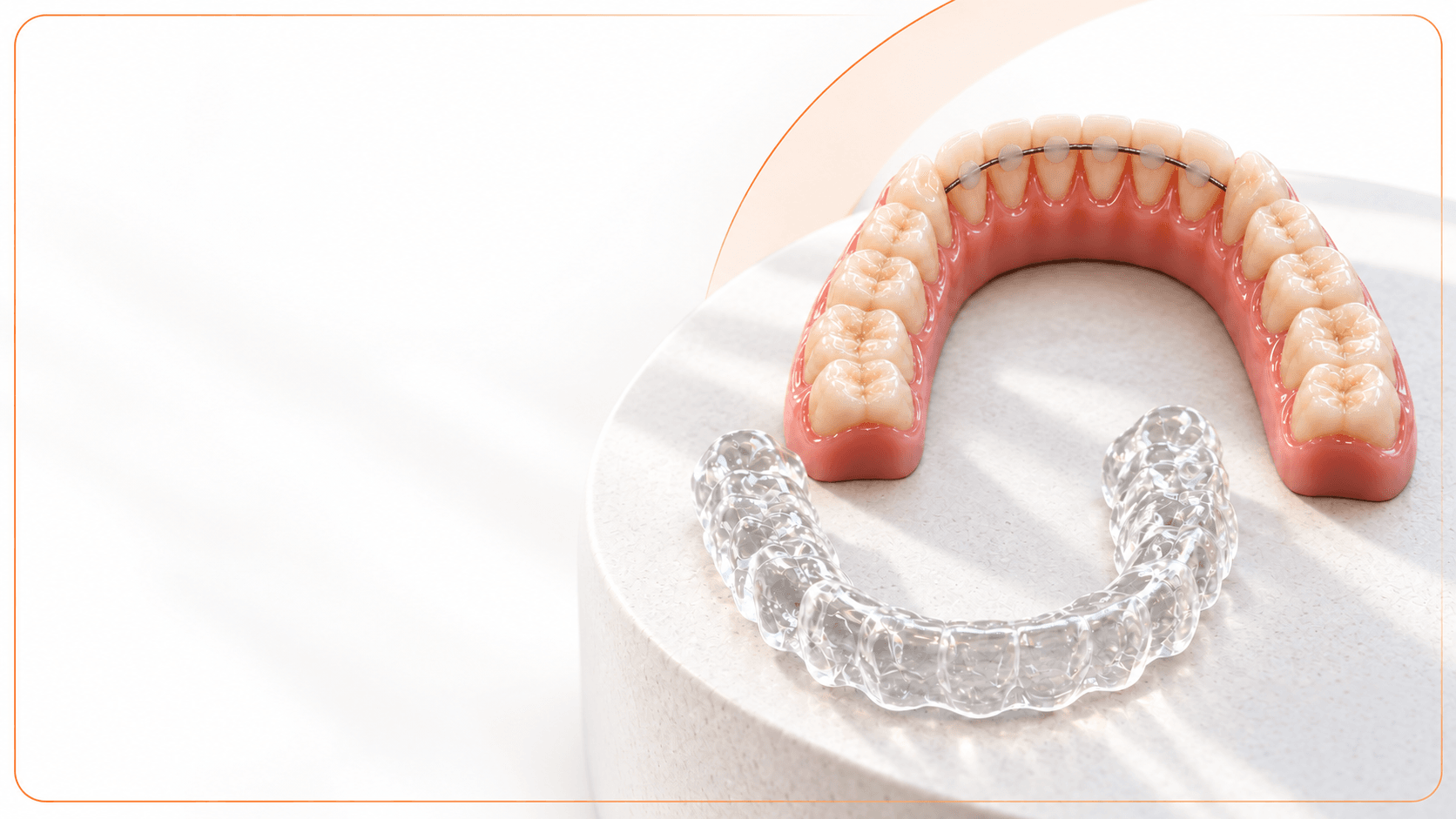

A practical guide for dentists, orthodontists and DSOs on planning retention after clear aligner treatment, from choosing a retainer to setting up reviews.
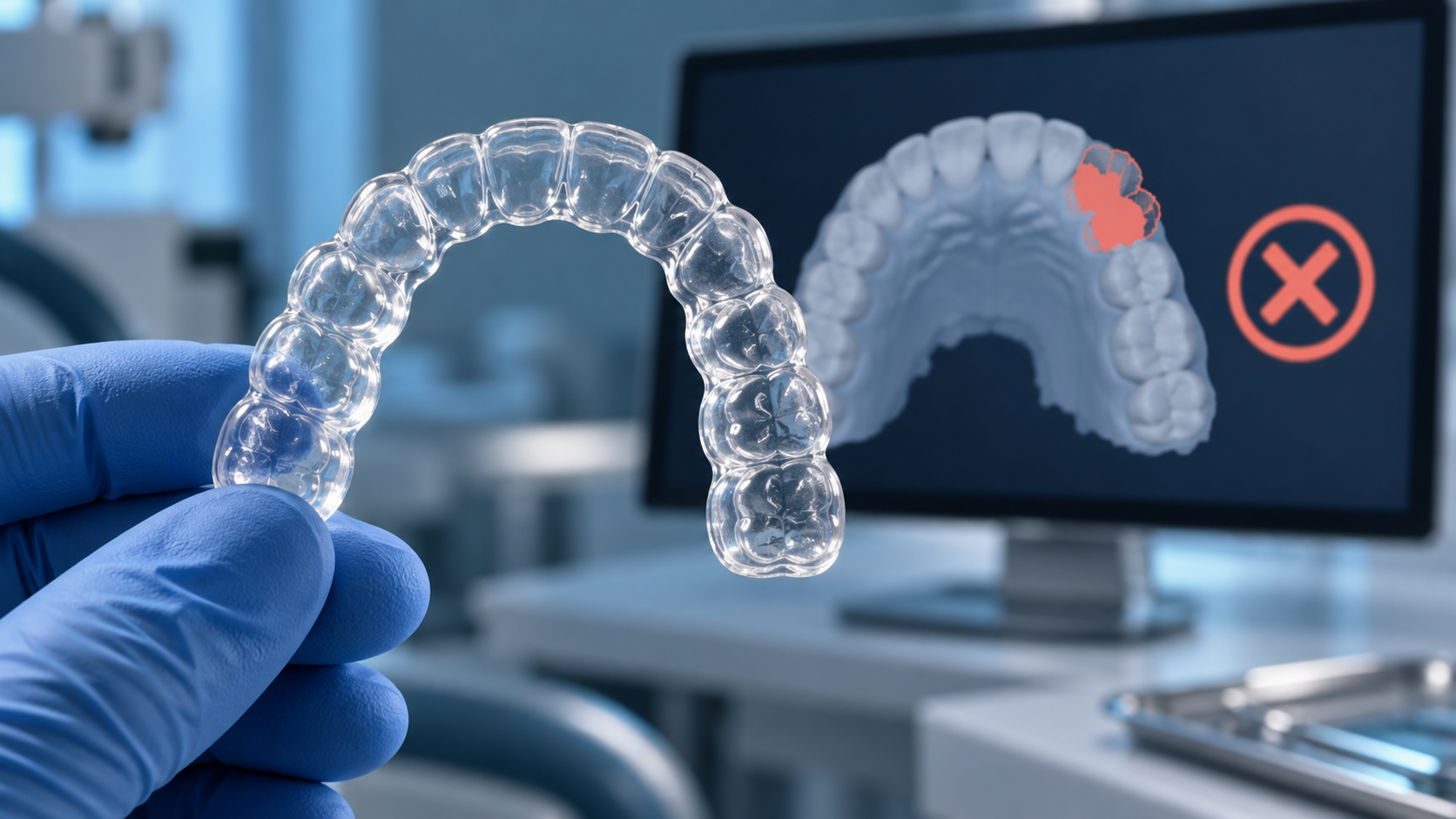
A practical guide to why clear aligner cases get put on hold or rejected, covering scan errors, missing records, unclear prescriptions and case selection, plus a pre-submission checklist.

Switching clear aligner manufacturers is a clinical and operational transition that requires precision. This guide explains how practices, DSOs, and aligner brands can transfer active cases, STL files, treatment records, and production workflows while protecting treatment continuity, patient confidence, and…

A "5–7 day turnaround" usually describes one link in a much longer chain. This guide breaks aligner turnaround into its real stages — submission, design, approval, production, quality control and shipping — so dentists, labs and DSOs can compare partners…
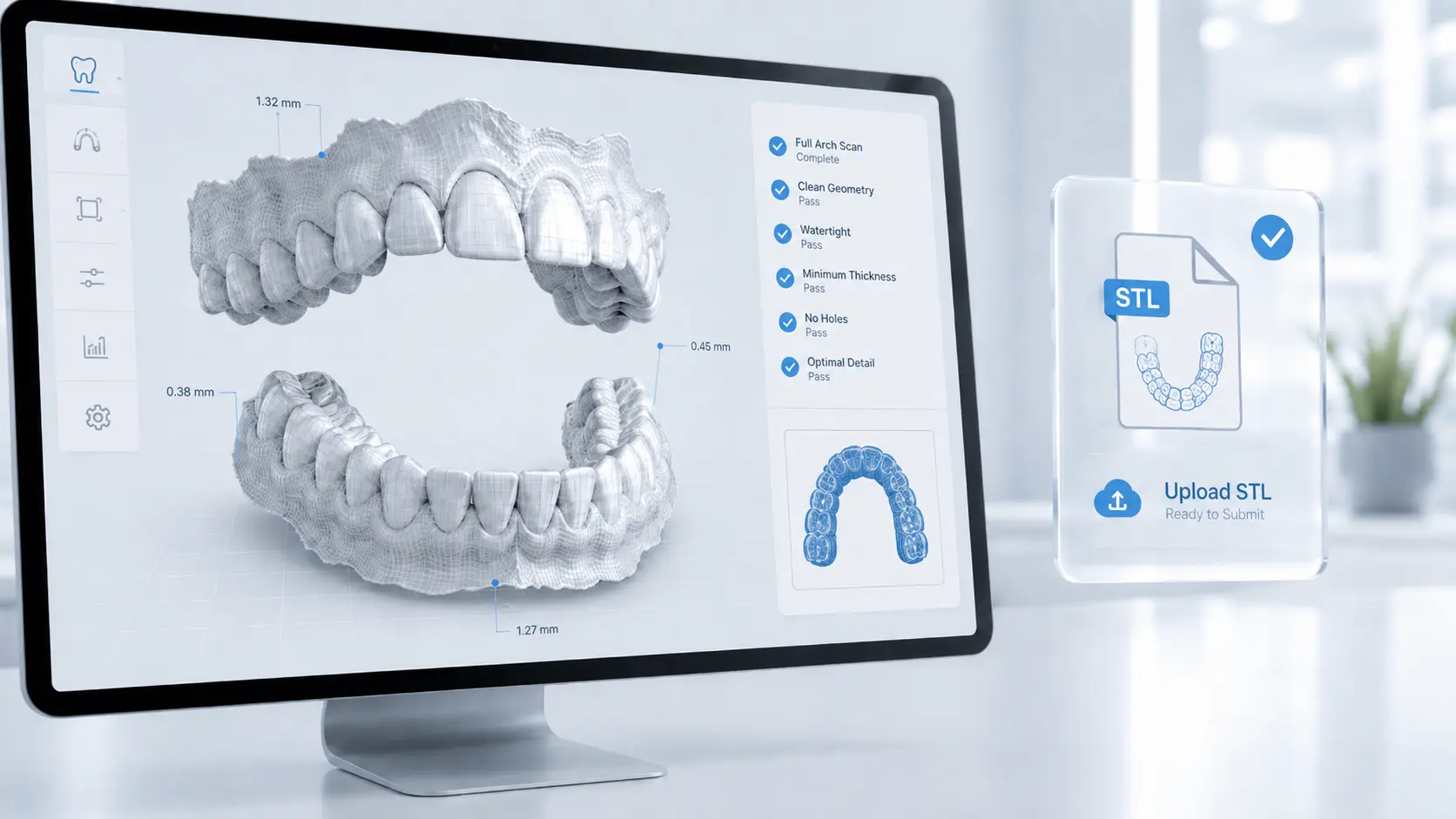
Choosing the best intraoral scanner for clear aligners starts with your clinical workflow. Compare file compatibility, full-arch capture, bite registration, team usability and total ownership cost before committing to a scanner.
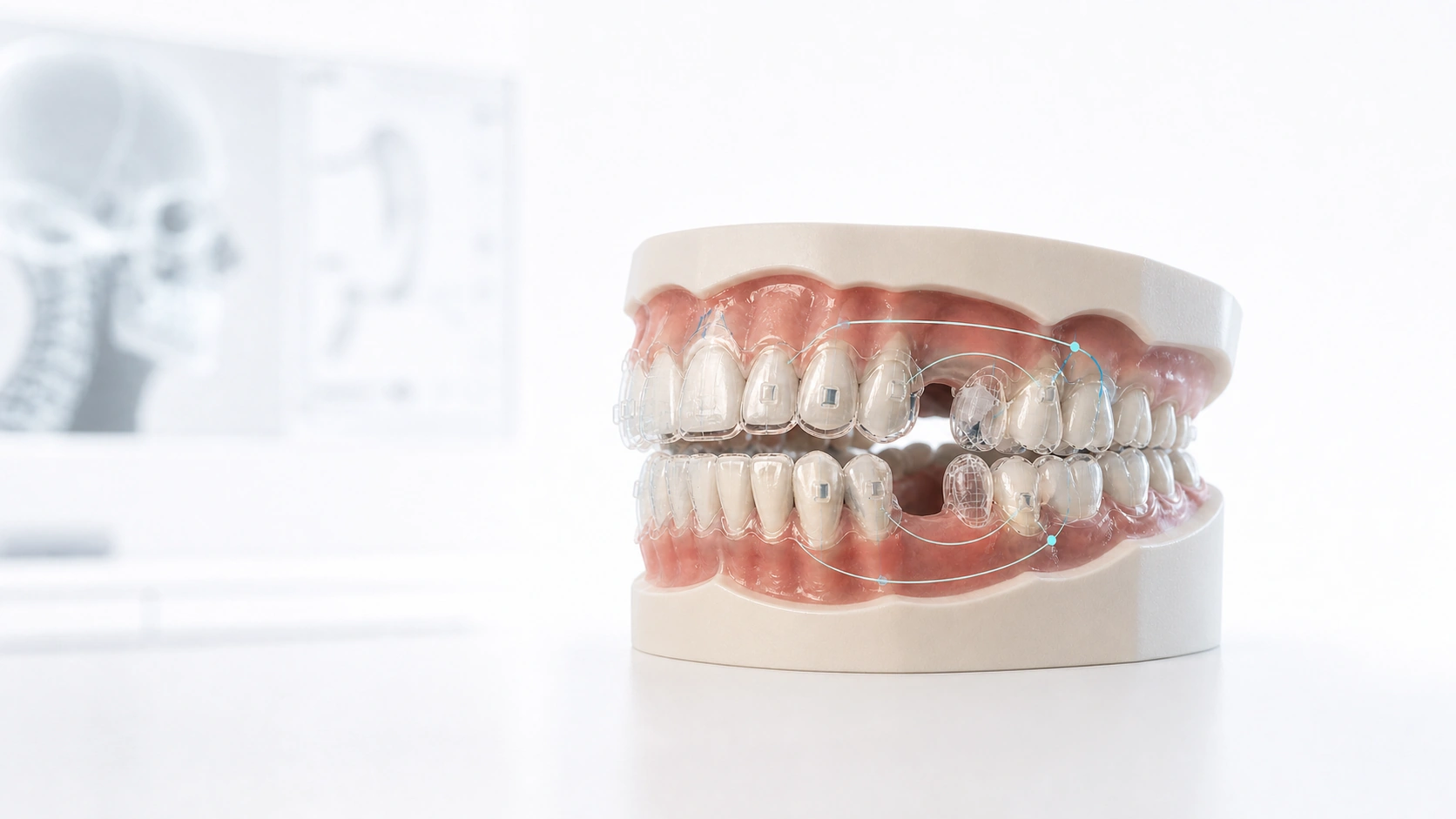
Extraction cases with clear aligners require careful diagnosis, anchorage control, space management, and realistic treatment planning. This guide explores when aligner therapy may be appropriate for complex extraction cases and when referral to an orthodontist is the safer clinical approach.
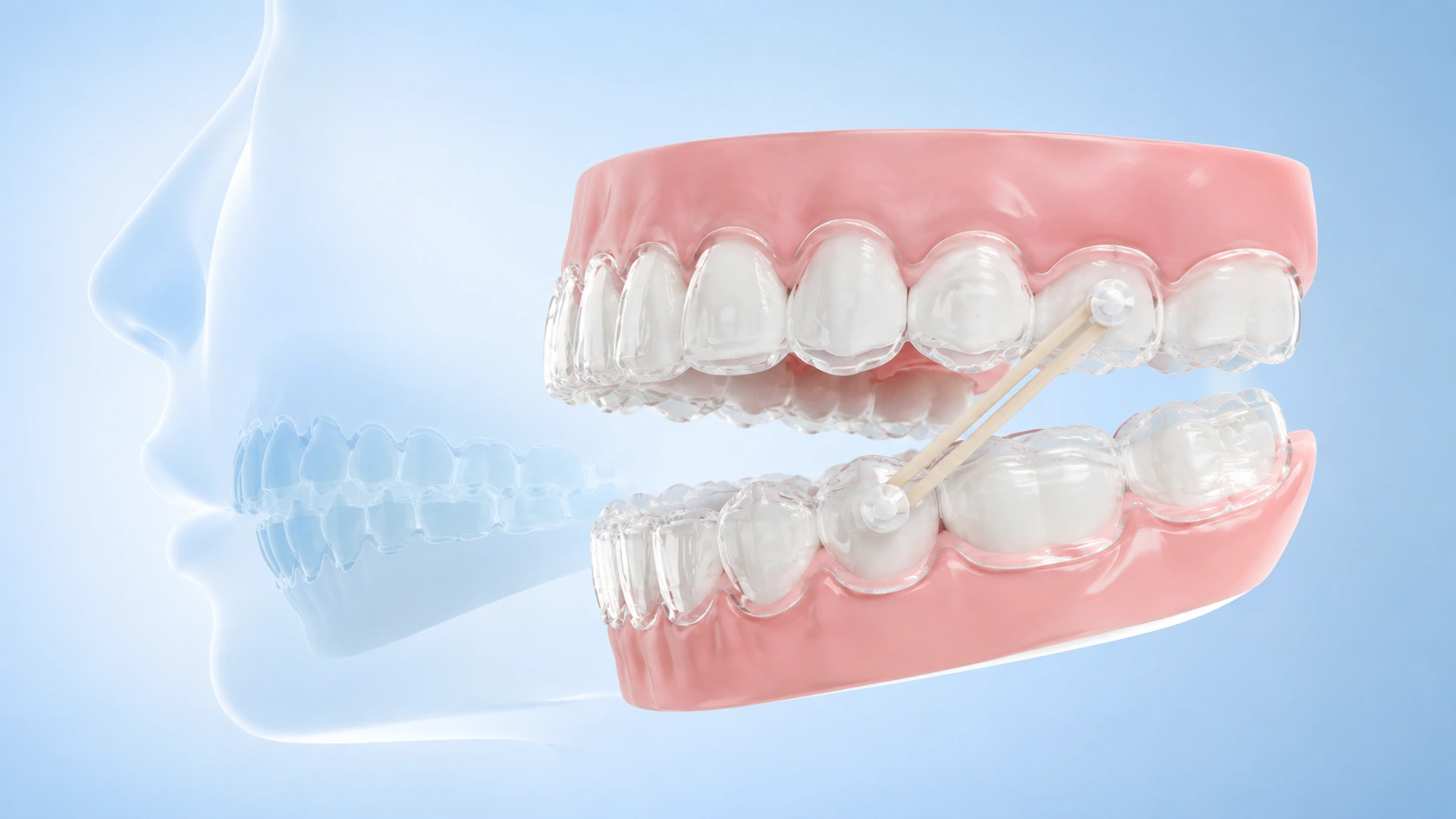
Class II is the malocclusion most often over-promised in aligner therapy. The setup shows a perfect Class I finish; the mouth delivers proclined incisors and tipped molars. This guide covers how to separate dental from skeletal Class II, how elastics,…
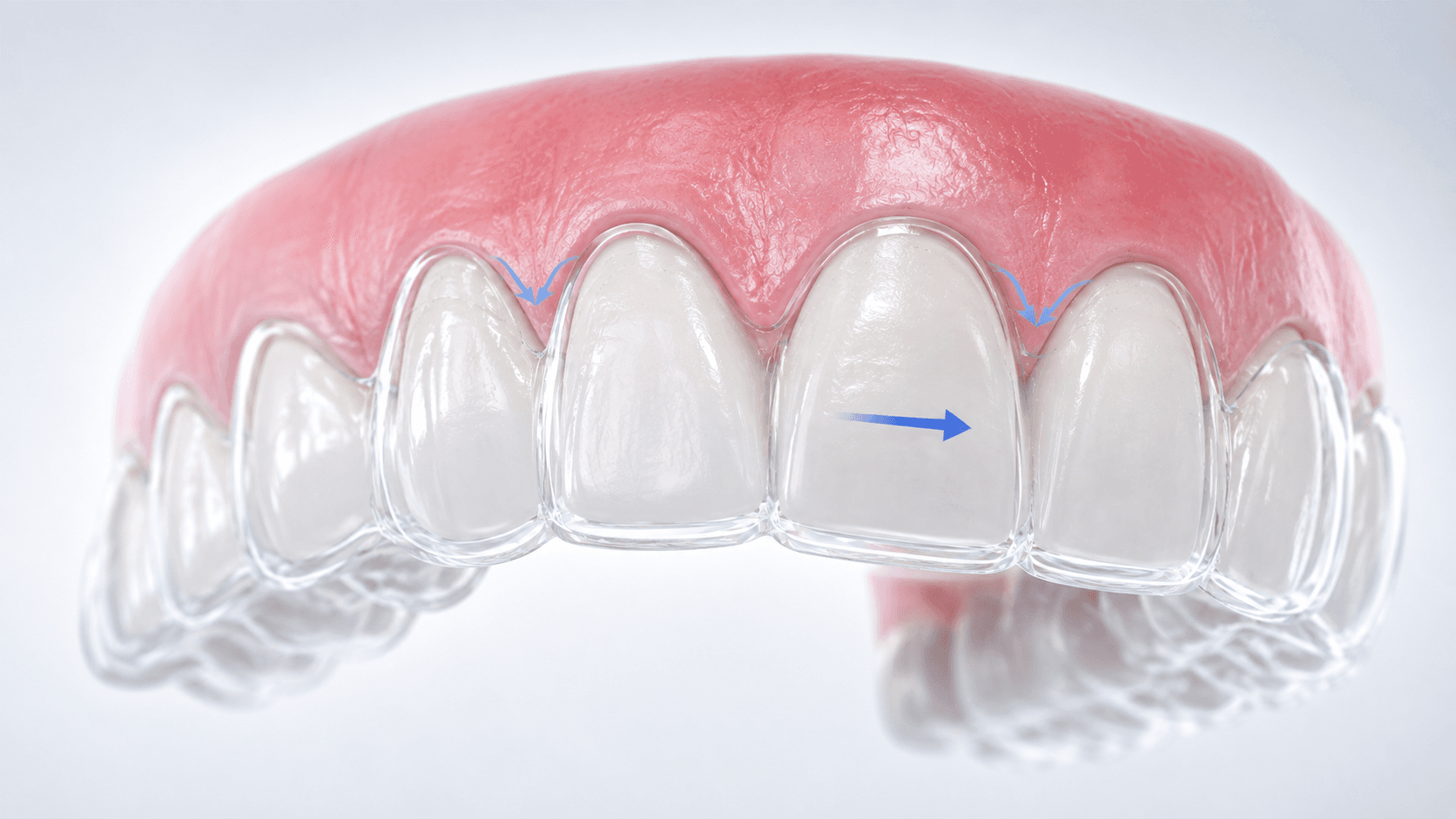
Most people consider orthodontic treatment for how it looks. The stronger argument is what it prevents. Here is how crowding, deep bite, crossbite and spacing each affect gum health, enamel wear and long-term dental cost.
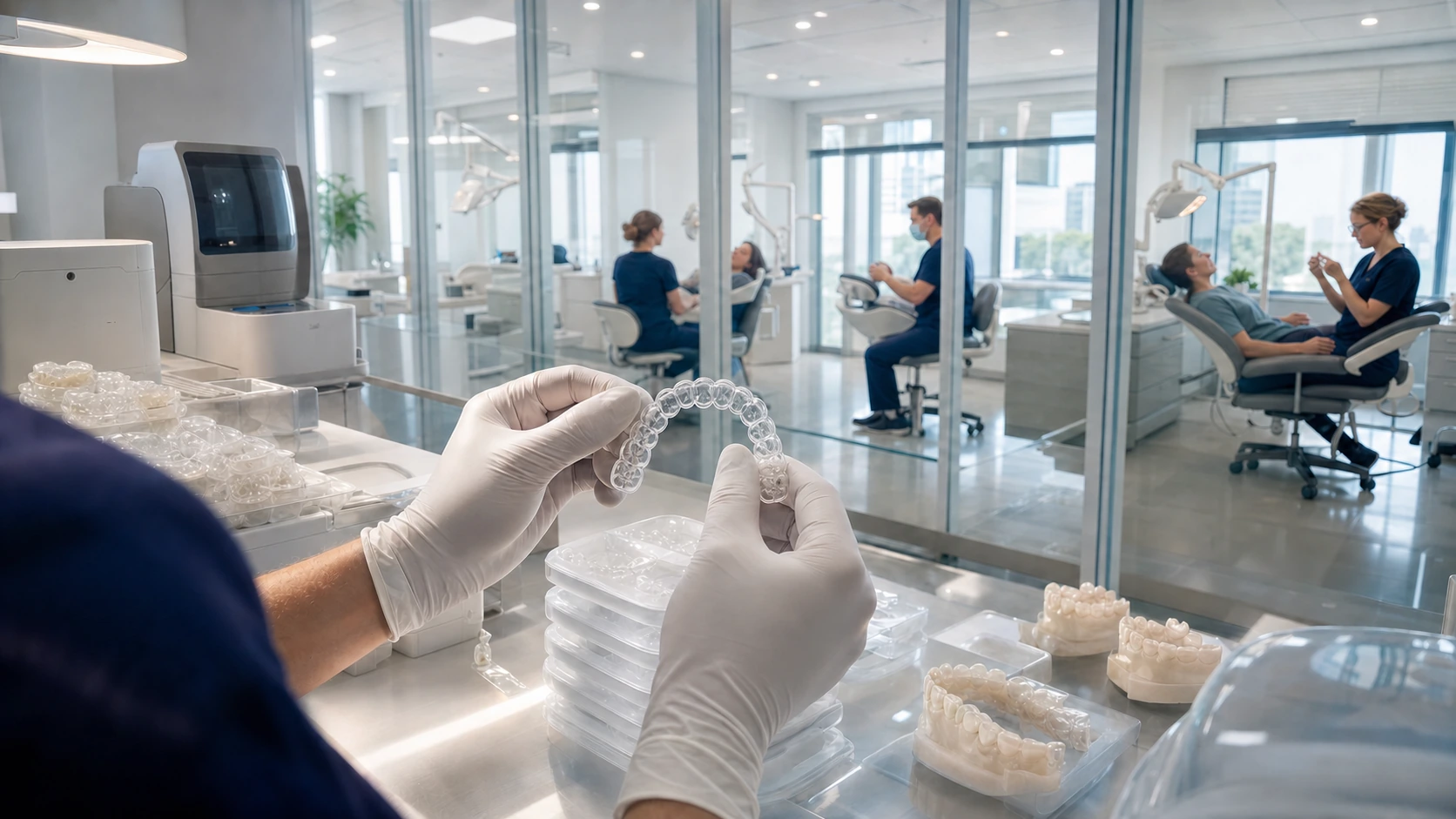
A practical 2026 framework for DSOs and dental groups comparing clear aligner manufacturers on quality systems, regulatory readiness across US/EU/UK/AU/CA markets, cloud treatment-planning workflows, clinical governance, scalability and total program cost — plus a 12-question supplier checklist and a controlled…
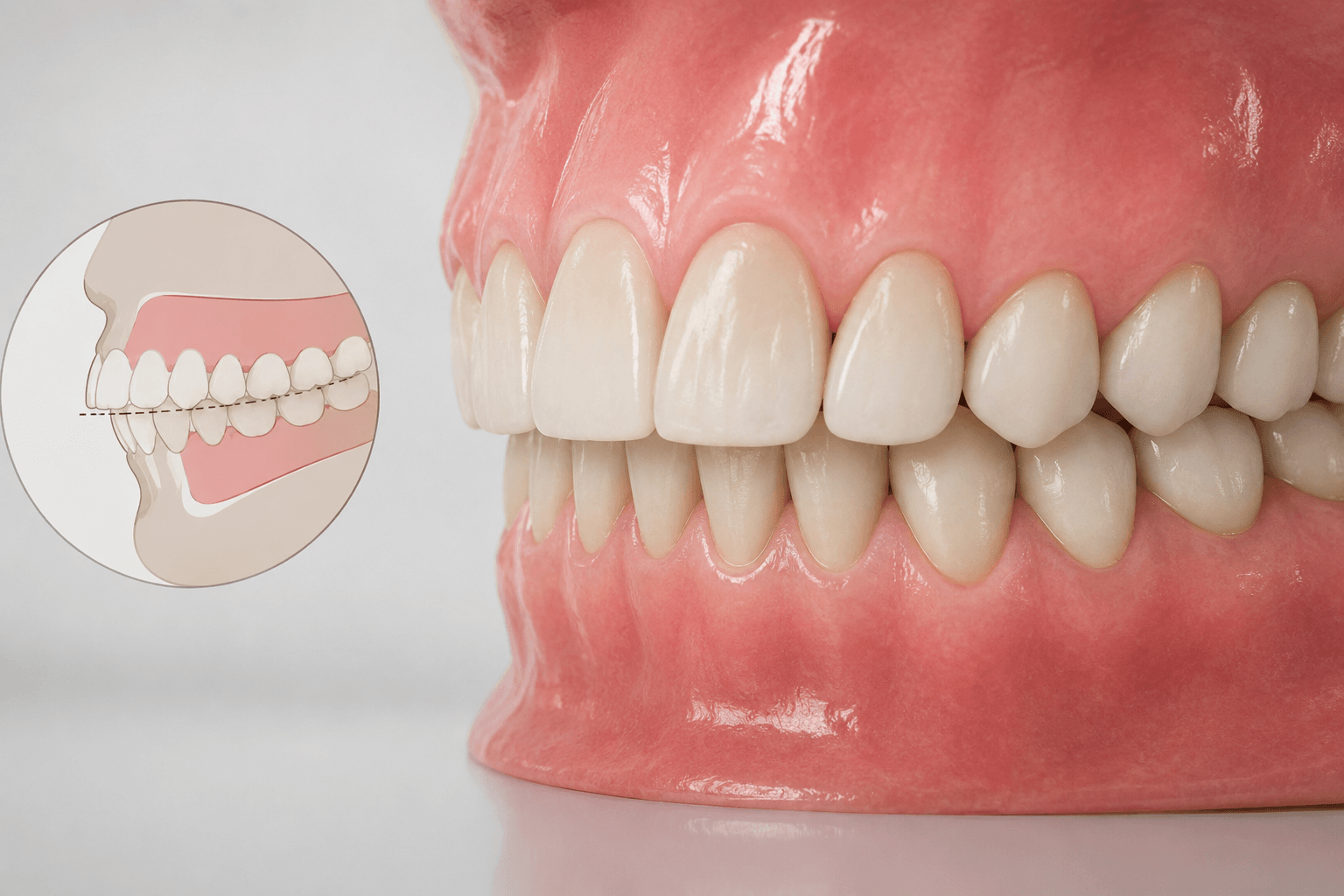
Deep bite is one of the most commonly under-planned malocclusions in aligner therapy. This clinical guide covers diagnosis, the four mechanics of bite opening, bite ramp design and placement, true incisor intrusion with force and anchorage control, a six-step digital…

We Provide Ortho Treatment Planning and White Label Clear Aligner Solutions.
Digital 3D Setup || Clear Aligners Manufacturer || Exporting Worldwide
