A practical guide to the commercial, clinical, operational and financial metrics every clear aligner brand should track to improve quality and scale profitably.
Managing aligner cases across email threads, spreadsheets, and shipping labels costs you time and invites errors. A clear aligner doctor portal pulls submission, 3D setup approval, case tracking, and communication into one secure dashboard. Here's exactly how it makes case…
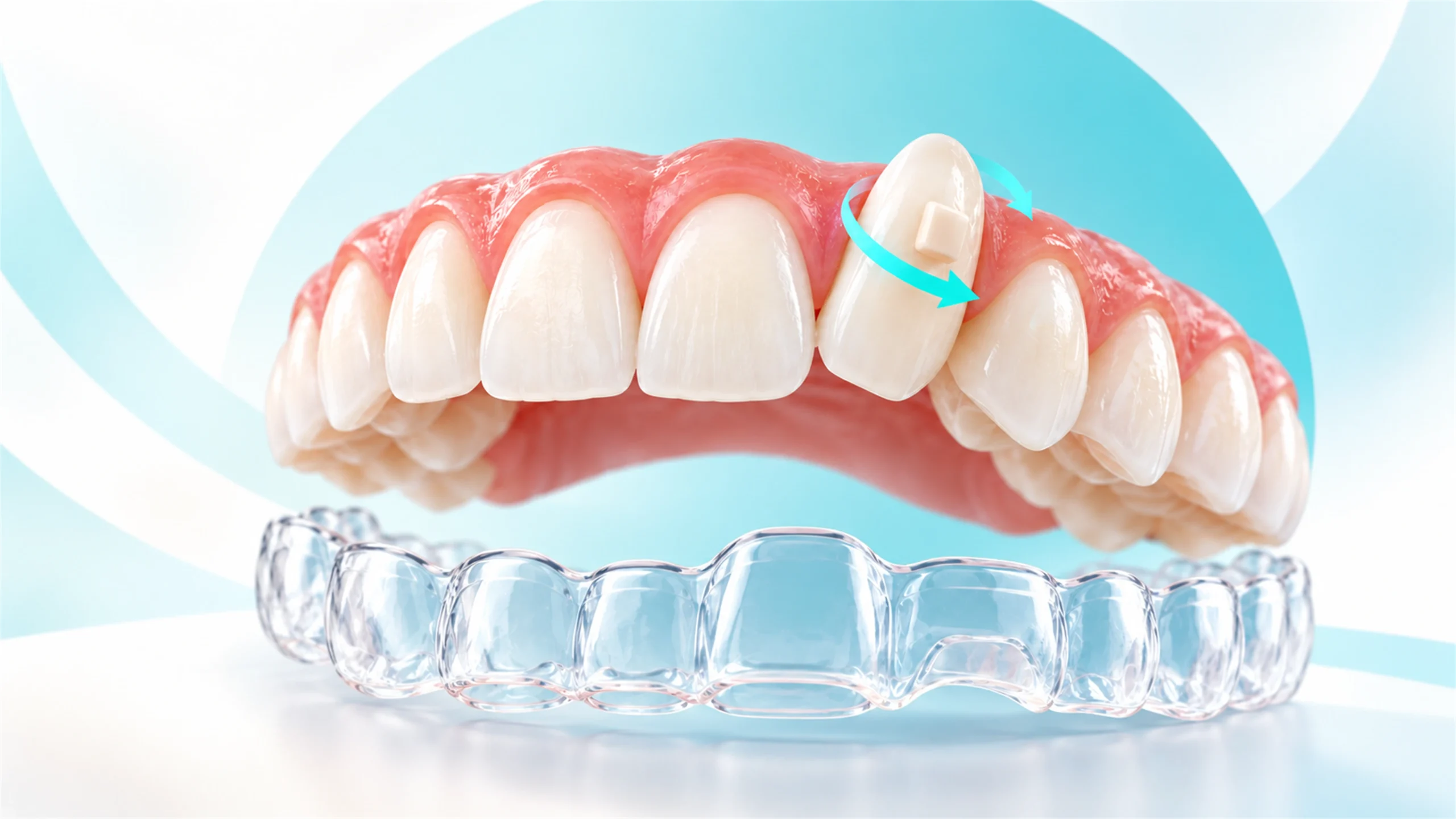
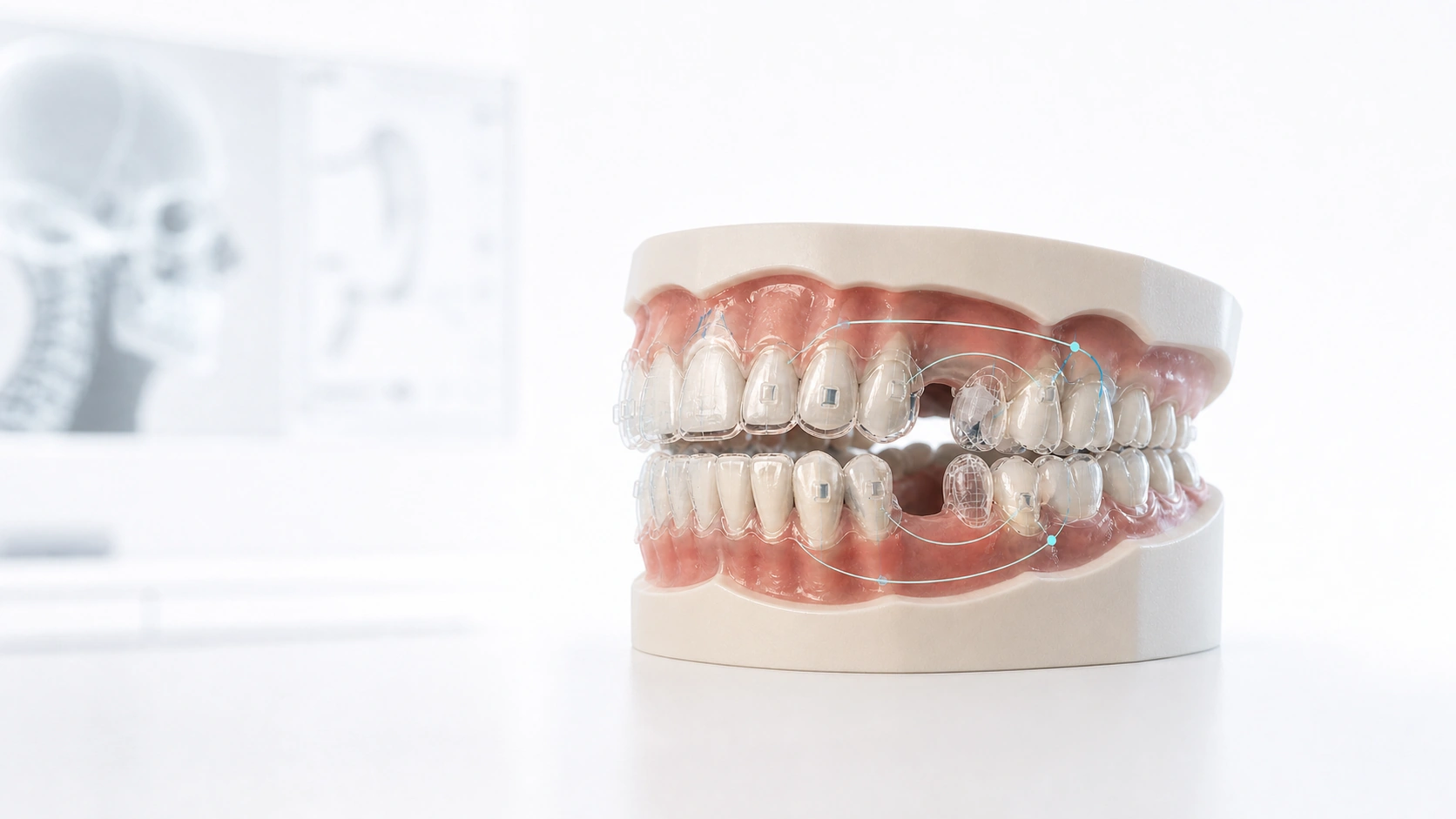
Not every tooth movement is equally easy for an aligner. Here's how tipping, rotation, extrusion, and torque work — and why planning skill decides if a case tracks.
Learn how to market clear aligners more effectively with practical scripts, objection-handling tips, fee presentation strategies, and patient loyalty tactics that help increase case acceptance.
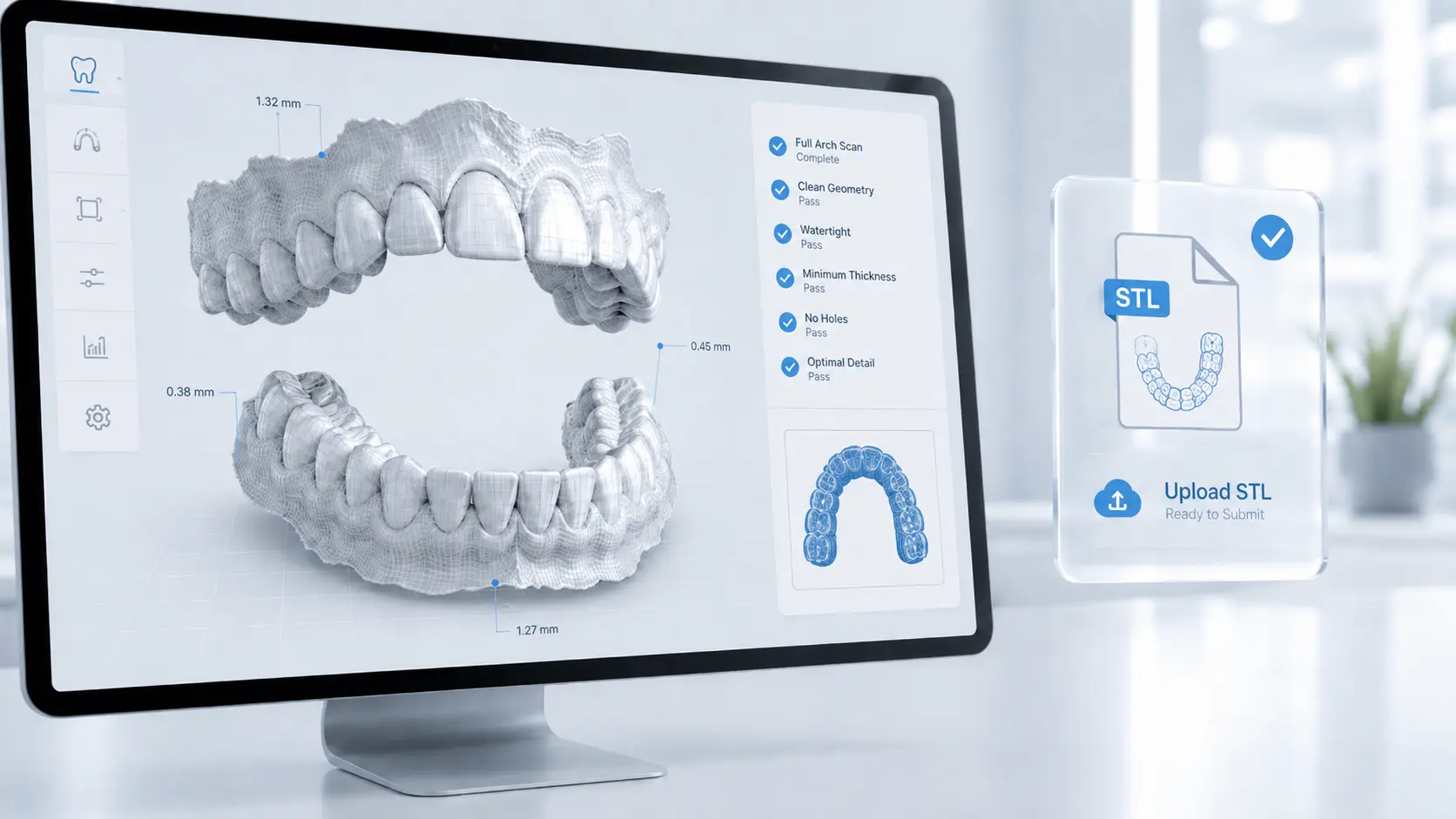
A clean, complete STL file is the foundation of every accurate clear aligner setup. Here's exactly what your scan files need—mesh quality, scanner export settings, bite registration, and more.
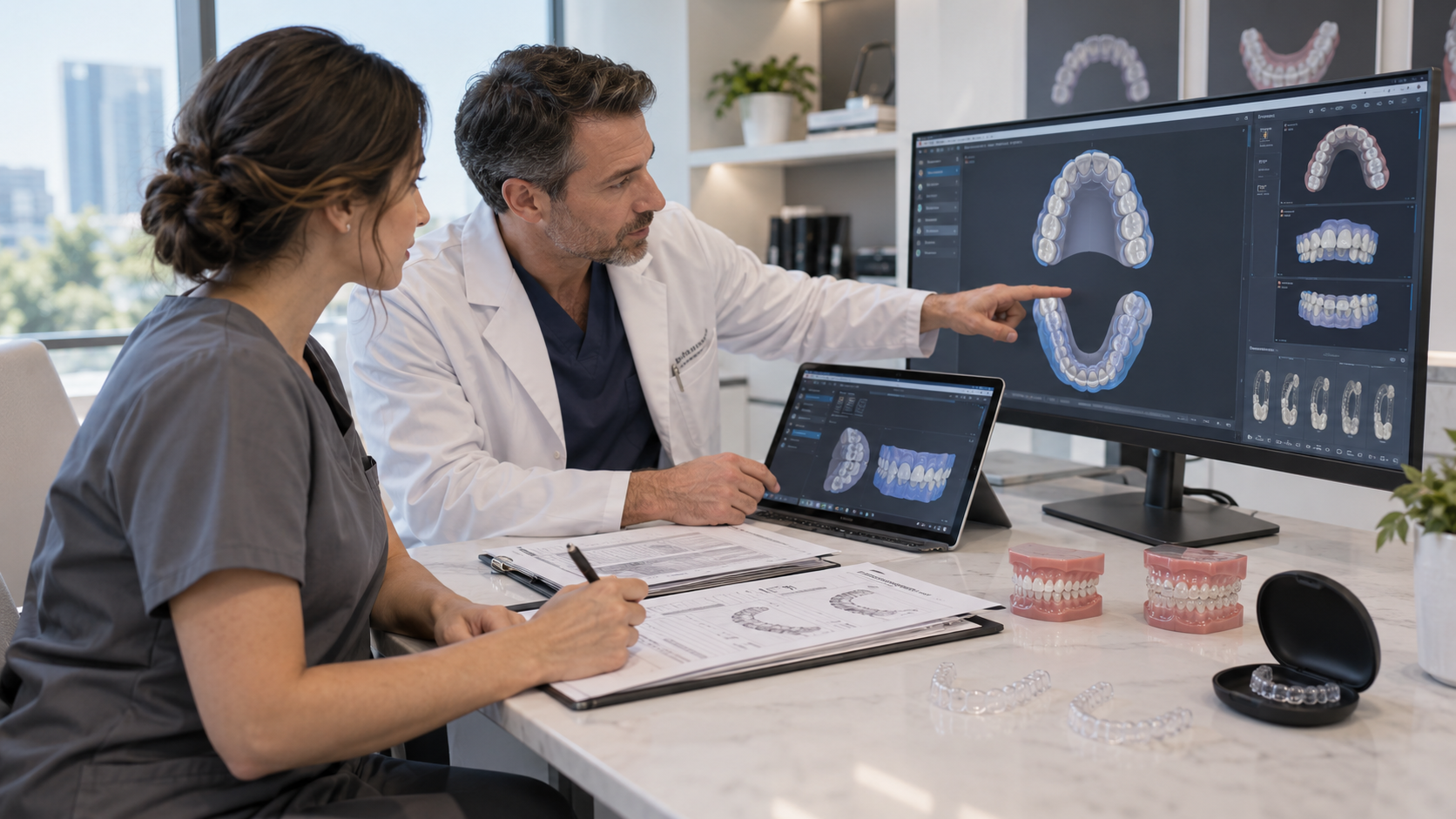
Outsourcing your treatment planning saves chair time — but the approval click is still your clinical decision. This is a practical checklist for reviewing a 3D digital setup with confidence, covering root torque, staging, IPR placement, attachments, final occlusion, and…
Clear aligners can become a strong new revenue stream for dental labs, but the right manufacturing partner matters. Labs need consistent aligner quality, accurate treatment planning, fast turnaround, transparent pricing, easy case submission, and white-label support that helps them serve…
Clear aligners are one of the highest-margin revenue lines available to dental service organizations today — yet most DSOs are still reselling national brands at compressed margins. This guide covers how to launch a white-label aligner program across your locations,…
A clinician's guide to clear aligner certifications: FDA 510(k), ISO 13485, CE, EU MDR, MHRA, and TGA. Compare standards and verify any manufacturer
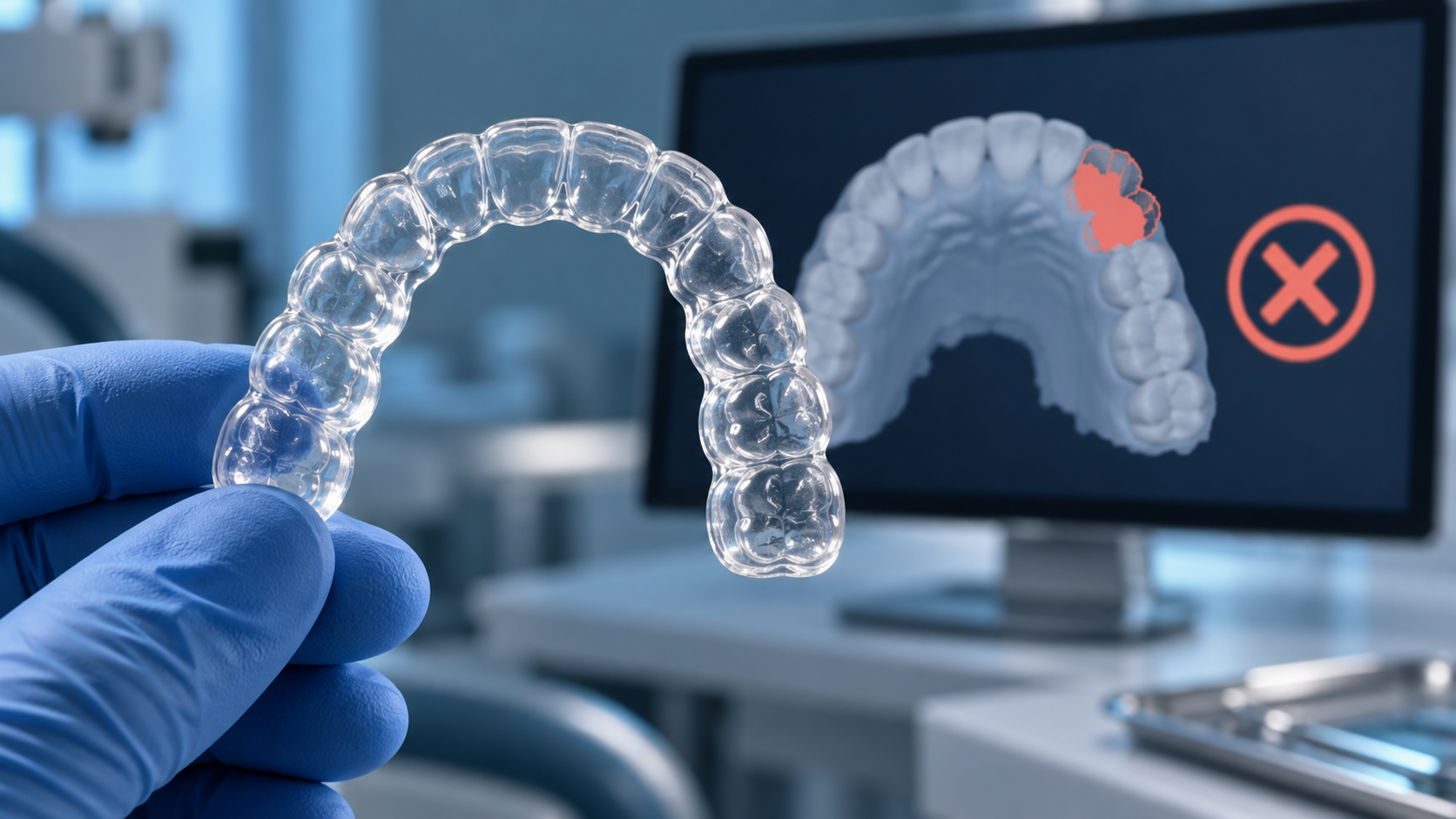
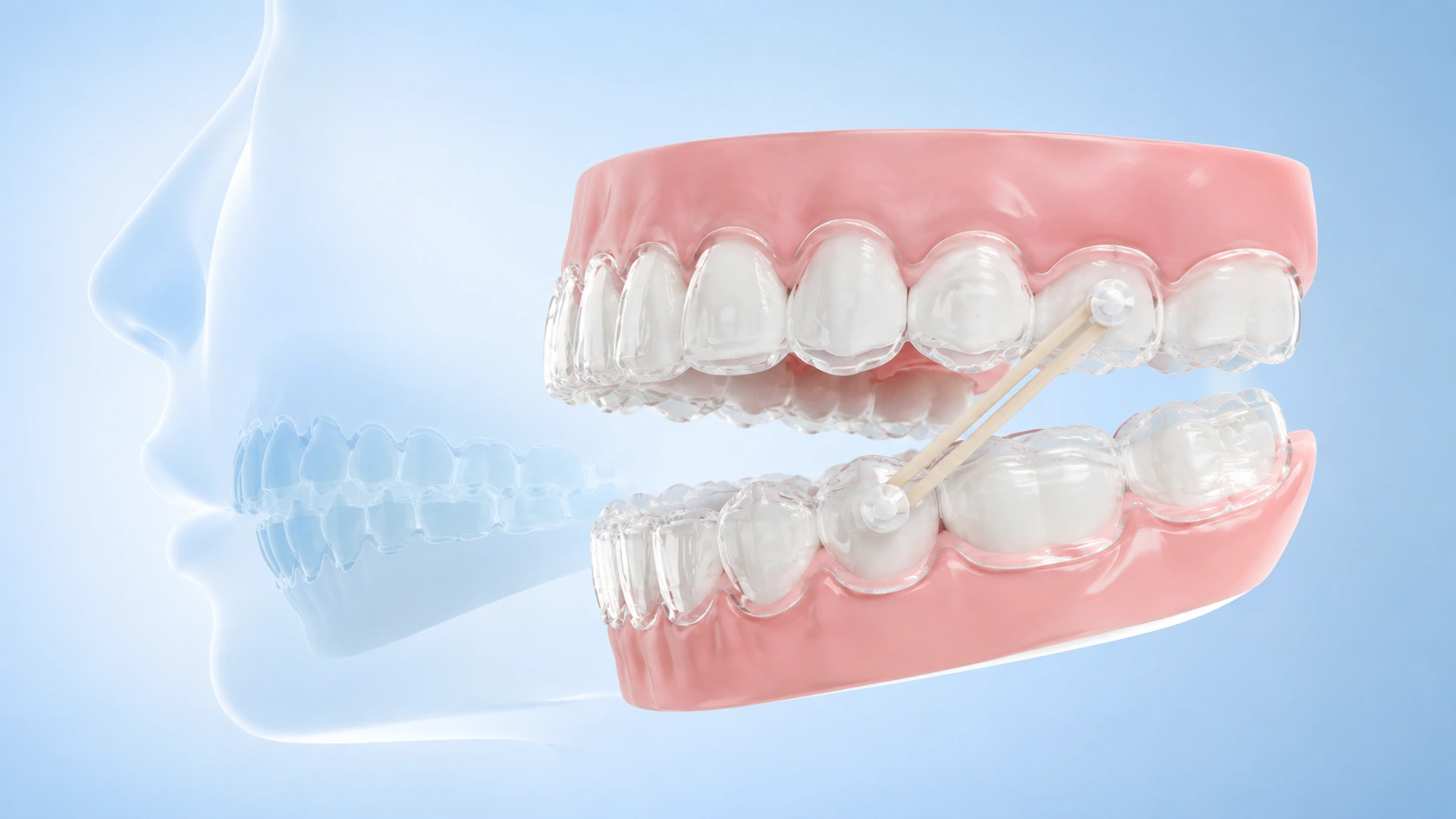
Clear aligner refinements often happen when tooth movement, staging, attachments, IPR, or treatment planning details are not optimized from the start. Better 3D treatment planning helps clinicians and clear aligner providers improve case predictability, plan controlled tooth movements, reduce mid-treatment…