
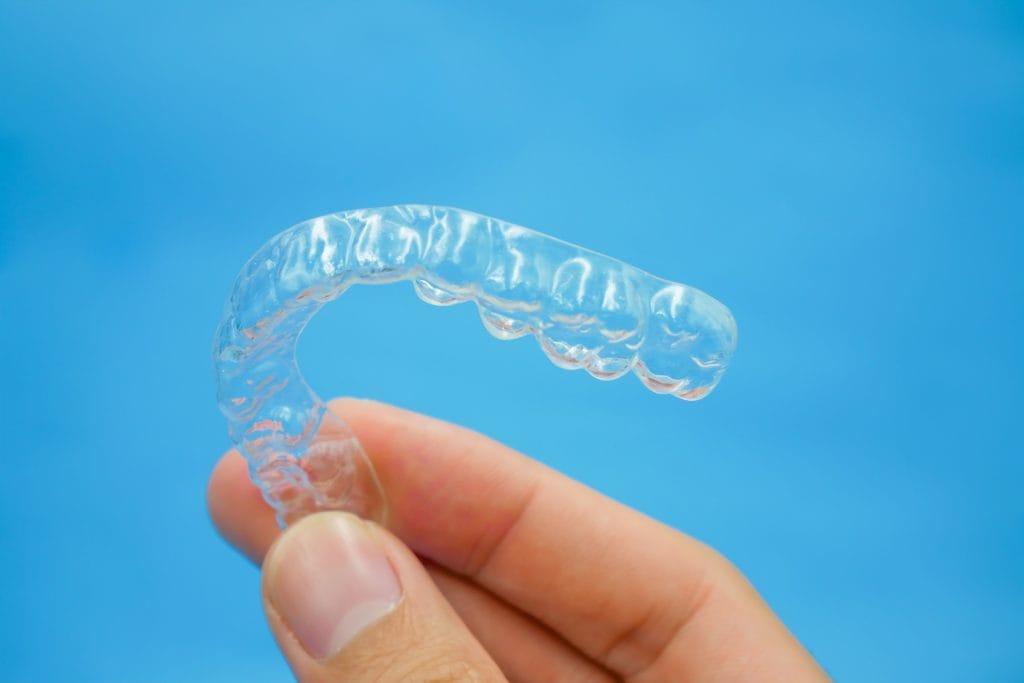
Clear aligners may look similar on the outside, but the sheet material behind them can change everything—how the aligner feels, how it moves teeth, and how often cases need refinements or remakes.
One of the biggest material decisions in aligner manufacturing is choosing single-layer or multi-layer thermoplastic sheets. This isn’t just a “premium vs basic” difference. It affects:
Force delivery and how long force stays active
Patient comfort and compliance
Fit consistency and tracking
Attachment performance
Refinement rates and remakes (which directly impact your margins)
Let’s break it down in a practical way.
A single-layer sheet is made from one uniform thermoplastic material throughout the thickness of the aligner. It’s a single polymer composition (or a single blended composition) formed into a single continuous layer.
Simple structure and manufacturing process
Often lower material cost
Predictable forming behavior
Can be good for straightforward cases
But single-layer sheets can be more sensitive to performance drop-off over time, depending on the polymer and thickness used.
A multi-layer sheet is made of two or more bonded layers, engineered to combine different properties in one sheet.
Think of it like this:
One layer can be optimized for elasticity and force delivery
Another layer can be optimized for comfort, stain resistance, surface feel, or crack resistance
This structure is designed to improve performance across the entire wear cycle.
Force delivery in aligners isn’t only about “how strong” the force is. It’s also about:
how consistent the force is over time
how quickly it relaxes after insertion
how well it rebounds during chewing and speaking
how stable it stays in the oral environment (heat + moisture + stress)
Single-layer materials can deliver excellent initial force, but the common challenge is faster force decay during the wear period, especially when:
the polymer relaxes under constant stress (stress relaxation)
the aligner experiences repeated flexing at attachments and edges
heat and moisture accelerate material fatigue
Good initial “tightness”
Potential drop in control later in the week
Tracking may drift in tougher movements if force drops too early
Multi-layer sheets are often engineered to improve force consistency across the wear cycle. The layered structure can help maintain a more stable elastic response.
More “controlled” feel rather than overly tight on day 1
Better stability through day 5–10 (depending on protocol)
More predictable tracking in complex movements
 Bottom line on force:
If your cases include rotations, torque control, or significant staging, multi-layer sheets often support more consistent mechanics—which can reduce mid-treatment tracking failures.
Comfort impacts compliance. Compliance impacts outcomes. Outcomes impact refinements and remakes.
Single-layer sheets can be comfortable, but patient comfort depends heavily on:
edge finishing quality
sheet stiffness at chosen thickness
how brittle or flexible the polymer is
how well it adapts to attachments
In some single-layer materials, patients report:
higher “pressure peak” on insertion
sharper feel around attachment zones
more irritation if trim/finish isn’t perfect
Multi-layer sheets may feel smoother and more forgiving in function because:
the outer/inner layers can be engineered for a better “hand-feel”
the sheet can provide controlled flexibility without losing structure
it may reduce harsh pressure peaks on insertion
If comfort is higher, patients wear aligners more hours/day.
That alone can reduce refinements dramatically.
Bottom line on comfort:
Multi-layer isn’t automatically “softer,” but it’s often engineered to feel more comfortable while still controlling movement.
Even perfect treatment planning fails if the aligner doesn’t track.
Fit is affected by:
forming behavior during thermoforming
memory and rebound behavior after forming
how the plastic behaves around fine details (attachments, gingival margins)
Can form very accurately, especially if the forming process is dialed in
But some materials are more prone to minor deformation under long wear or heat exposure
Can maintain shape integrity more reliably through the wear cycle in some designs
May show stronger performance in attachment engagement over time
A major reason for refinements is when aligners lose effective engagement with attachments.
Multi-layer sheets often support:
better retention of “grip” around attachments
reduced cracking/whitening in high-stress zones (depends on the specific sheet design)
Bottom line on tracking:
When tracking improves, refinements drop. When refinements drop, your cost per successful case improves.
Let’s be direct: refinements are expensive.
They add:
re-planning time
extra aligners
extra shipping
clinic frustration
patient frustration
delays that reduce reviews and referrals
early force drop-off → teeth lag behind staging
poor attachment engagement → lost control on rotations/torque
cracks or deformation → aligner becomes inactive or uncomfortable
inconsistent fit across batches → unpredictable results
Multi-layer sheets tend to reduce these issues when matched with the right QC and forming settings.
Bottom line on remakes:
Multi-layer sheets can reduce refinement/remake rates, especially for:
complex movements
higher staging demands
patients with borderline compliance
clinics scaling case volume (where consistency matters most)
Material selection changes your manufacturing controls.
Generally easier to form consistently
Often wider tolerance window in thermoforming
Good for high-volume with standard movements
But QC must monitor force decay and fatigue depending on polymer type
May require tighter forming parameters to protect layer performance
Needs consistent handling to avoid microscopic layer stress at edges
Quality systems should validate:
trim integrity at the edges
stress zones near attachments
long-wear stability
thickness verification after forming (not just before)
edge finishing inspection under magnification
crack resistance / stress whitening observation
retention consistency tests (especially around attachments)
Here’s the practical guidance:
case complexity is lower to moderate
your focus is cost-efficiency
you have a very controlled, repeatable forming process
your staging protocols are conservative
you want simpler supply chain and manufacturing variables
you manage moderate to complex movements
you want fewer refinements and better consistency
you want a more premium patient experience (comfort + aesthetics)
you are scaling clinics/DSOs and need predictable outcomes
you want stronger performance at attachment zones
Even the best multi-layer sheet won’t perform if:
thermoforming parameters are off
trimming is inconsistent
models are inaccurate
post-form handling warps the aligner
staging is too aggressive
wear time is poor
The best results come from material + process + planning alignment.
Choosing between multi-layer and single-layer aligner sheets is not only about “quality.” It’s about how force behaves over time, how comfortable patients feel, how well aligners track, and how often you end up paying the hidden cost—refinements and remakes.
If your goal is consistent outcomes at scale, multi-layer sheets are often the stronger option. If your priority is simplicity and cost control for standard cases, single-layer can still be an excellent solution when manufacturing is tightly controlled.

We Provide Ortho Treatment Planning and White Label Clear Aligner Solutions.
Digital 3D Setup || Clear Aligners Manufacturer || Exporting Worldwide
